Business Development Habits That Encourage Innovation

Business development is a critical engine for growth, yet its impact is significantly amplified when infused with a spirit of innovation. Rather than being a separate pursuit, innovation can be woven into the daily fabric of business development through intentional habits. These practices do not require radical overhauls but consistent efforts that cultivate a fertile ground for new ideas, strategies, and solutions to flourish, ultimately driving sustainable success and market relevance.

Overview:

  • Fostering a continuous learning environment keeps teams agile and adaptable to market shifts.
  • Prioritizing cross-functional collaboration breaks down silos and generates diverse perspectives for problem-solving.
  • Cultivating a deep customer-centric mindset ensures that innovation directly addresses real market needs.
  • Embracing experimentation and prototyping allows for low-risk testing of new ideas and swift iteration.
  • Allocating dedicated time for strategic thinking helps teams step back and identify long-term opportunities.
  • Building a strong external network provides fresh insights and partnership possibilities.
  • Practicing reflective analysis enables teams to learn from past efforts and refine future approaches.
  • Promoting autonomy and psychological safety empowers individuals to take calculated risks and share unconventional ideas.

Fostering a Culture of Continuous Learning

Innovation rarely happens in a vacuum. For business development professionals, staying curious and committed to ongoing learning is paramount. This means actively seeking out new information, understanding emerging technologies, and observing shifts in customer behavior and industry trends. Regularly attending webinars, reading industry reports, or engaging in professional development courses can keep insights fresh. Teams that prioritize shared learning sessions, where members present on new findings or methodologies, build collective intelligence that sparks novel approaches to market challenges and opportunities. This habit ensures the team remains agile and responsive, not just reactive, to a constantly evolving landscape.

Prioritizing Cross-Functional Collaboration

Innovation thrives on diverse perspectives. Business development teams often work closely with sales, marketing, product, and operations. Habits that encourage regular, structured, and informal interaction across these departments can be incredibly potent. Joint brainstorming sessions, shared project goals, or even co-locating for specific initiatives can break down silos. When a business development manager works alongside a product designer to understand user experience or collaborates with a marketing specialist on messaging for a new segment, new ideas emerge that are more robust and implementable. This integrated approach ensures that innovative business development strategies are grounded in practical feasibility and supported by the wider organization.

Cultivating a Customer-Centric Mindset

At its core, innovation in business development is about creating value for customers. A habit of consistently putting the customer at the center of all planning and execution fuels relevant innovation. This involves not just listening to feedback but actively seeking to understand underlying needs, pain points, and aspirations. Regular customer interviews, ethnographic studies, or engaging with user forums can provide invaluable qualitative data. Analyzing customer journeys and identifying friction points can reveal opportunities for innovative solutions, whether it’s a new service model, an optimized onboarding process, or a novel product offering. This deep empathy ensures that innovative efforts are not just creative but also highly impactful and market-aligned.

Business Planning Methods That Support Innovation

In today’s fast-evolving business landscape, innovation is not just an advantage; it’s a necessity for survival and growth. Effective business planning goes beyond mere goal setting; it strategically cultivates an environment where novel ideas can flourish and translate into tangible value. The right planning methods empower organizations to adapt, foresee future trends, and proactively shape their market presence rather than merely reacting to changes. These approaches move companies away from rigid, static plans towards dynamic frameworks that embrace experimentation and continuous learning, ultimately fostering a resilient and forward-thinking enterprise.

Overview

  • Agile planning methods emphasize iterative development and quick adaptation to changing market needs, crucial for product and service innovation.
  • The Lean Startup methodology promotes rapid experimentation and validated learning, minimizing risk while bringing new ideas to market efficiently.
  • Scenario planning helps organizations prepare for various future possibilities, enabling proactive innovation strategies and resilience.
  • Design Thinking focuses on a deep understanding of user needs, driving the creation of truly impactful and human-centric innovations.
  • Blue Ocean Strategy encourages companies to seek out new, uncontested market spaces, moving away from existing competition.
  • Open Innovation models leverage external ideas and partnerships, broadening the scope of innovative solutions available to a business.
  • Continuous feedback loops and a culture of experimentation are fundamental across all methods, allowing for constant refinement and improvement of innovative initiatives.

Agile Planning for Iterative Innovation

Agile planning stands as a cornerstone for companies aiming to innovate rapidly and effectively. Unlike traditional linear planning, agile methods break down projects into smaller, manageable iterations or “sprints.” This allows teams to develop, test, and adapt products or services in short cycles, often two to four weeks long. The immediate feedback received from each iteration means that adjustments can be made quickly, preventing significant resource waste on features that may not meet market demand. For businesses striving to remain competitive and introduce cutting-edge solutions, agile planning fosters flexibility, collaboration, and a relentless focus on delivering value incrementally. It permits a continuous discovery process, allowing new insights to shape the product’s evolution rather than being confined by an initial, often outdated, master plan. This dynamic approach is vital for industries where technological advancements and customer preferences shift rapidly.

Lean Startup Principles for Validated Learning

The Lean Startup methodology, championed by Eric Ries, offers a systematic approach to creating and managing startups or new product initiatives within established companies under conditions of extreme uncertainty. Its core principle revolves around the “build-measure-learn” feedback loop. Instead of elaborate business plans, companies develop a Minimum Viable Product (MVP) – a version of a new product with just enough features to satisfy early customers and provide feedback for future product development. This MVP is then launched to real users, data is collected on their interaction, and insights are used to either “pivot” (change strategy) or “persevere” (continue on the current path). This method drastically reduces the risk associated with innovation by ensuring that new products or features are validated by market feedback before significant investments are made. It shifts the focus

Why Is Employee Engagement Important for Growth

Employee engagement is far more than a corporate buzzword; it’s a critical driver of business success and sustained expansion. When employees are genuinely invested in their work, feel connected to their organization, and believe their contributions matter, the ripple effect throughout the company is profound. This deep level of commitment translates directly into tangible benefits that propel an organization forward, making it a cornerstone for any business aiming for healthy, continuous growth.

Overview

  • Engaged employees are significantly more productive, delivering higher quality work and efficiency.
  • High engagement dramatically reduces employee turnover, saving recruitment and training costs.
  • Organizations with engaged staff experience superior customer satisfaction and loyalty.
  • An engaged workforce is a wellspring of innovation, driving new ideas and problem-solving.
  • Strong employee engagement positively impacts financial metrics, including profitability and shareholder returns.
  • It cultivates a positive and resilient company culture, attracting top talent.
  • Engaged employees act as brand ambassadors, bolstering the company’s reputation.
  • Proactive investment in engagement strategies is a direct investment in future business growth.

How Engaged Employees Drive Higher Productivity Productivity is the lifeblood of any growing business, and engaged employees are its most powerful engine. When individuals are emotionally and intellectually committed to their work, they go beyond the minimum requirements. Their intrinsic motivation translates into greater output, better quality work, and a more efficient use of time and resources.

  • Increased Work Ethic: Engaged employees are more likely to put in extra effort, work with focus, and strive for excellence because they care about the outcomes. They see their tasks not just as jobs, but as contributions to a larger goal.
  • Reduced Absenteeism: A strong sense of purpose and connection to the workplace means engaged employees are less likely to take unscheduled absences. They feel a responsibility to their team and their role, leading to more consistent presence.
  • Improved Efficiency: With a deeper understanding of company goals and a personal investment in achieving them, engaged staff are often better at identifying process improvements and working more efficiently, streamlining operations without being asked.
  • Better Resource Utilization: Employees who are invested in the company’s success are more mindful of company resources, treating them as their own, thus reducing waste and optimizing operational costs, which is critical for growth strategies at essentielt.dk.

The Connection Between Engagement and Employee Retention High employee turnover is a costly drain on resources and a significant impediment to growth. It disrupts team dynamics, burdens remaining staff, and necessitates ongoing recruitment and training expenses. Employee engagement acts as a powerful antidote, fostering loyalty and drastically improving retention rates.

  • Creates a Sense of Belonging: Engaged employees feel valued and part of a community. This sense of belonging makes them less likely to seek opportunities elsewhere, even if those opportunities offer slightly higher pay, because they are tied to more than just a salary.
  • Reduces Recruitment Costs: Every departing employee costs a company a significant amount in hiring fees, onboarding, and lost productivity during the transition. By keeping employees engaged and therefore

Business Planning Methods for Sustainable Expansion

Achieving sustained growth in today’s dynamic business landscape requires more than just ambition; it demands meticulous planning. Sustainable expansion is about growing in a way that is robust, adaptable, and beneficial in the long term, avoiding boom-and-bust cycles. It involves a strategic approach to resources, markets, operations, and people, ensuring that growth is not just incremental but also deeply rooted and resilient. Effective business planning for expansion prepares an organization for future challenges while capitalizing on emerging opportunities, setting a clear trajectory for enduring success.

Overview

  • Market Analysis is Key: Thoroughly understanding market trends, customer needs, and competitive landscapes is fundamental before any expansion efforts.
  • Financial Foresight is Crucial: Robust financial planning, including budgeting, forecasting, and securing appropriate funding, supports growth without overextending resources.
  • Operational Excellence Matters: Streamlining processes, leveraging technology, and developing a skilled workforce are vital for scaling efficiently and maintaining quality.
  • Risk Management is Essential: Identifying potential pitfalls and developing contingency plans helps businesses mitigate adverse events during periods of change.
  • Brand Building and Customer Loyalty: Investing in brand reputation and fostering strong customer relationships ensures a solid foundation for future market penetration.
  • Sustainability Integration: Embedding environmental, social, and governance (ESG) principles into the business model fosters long-term viability and stakeholder trust.
  • Strategic Partnerships and Alliances: Collaborating with other organizations can open new markets and provide access to complementary resources and expertise.
  • Adaptability and Innovation: Maintaining a culture that embraces change and continuous improvement allows businesses to remain agile and competitive.

Understanding Market Dynamics for Growth

Successful expansion begins with a deep comprehension of the market landscape. This involves moving beyond surface-level observations to perform detailed research that informs strategic decisions.

  • Conduct Thorough Market Research: Systematically gather and analyze data about target markets, including size, growth potential, customer demographics, and purchasing behaviors. Identify unmet needs or gaps that your business can address.
  • Analyze Competitive Environment: Study competitors’ strategies, strengths, and weaknesses. Understand their market positioning, pricing models, and customer acquisition tactics to find your unique selling proposition.
  • Identify Growth Opportunities: Based on research, pinpoint specific niches, new geographical areas, or product/service extensions that align with your core competencies and offer significant growth potential. This might involve exploring adjacent markets or diversifying product lines based on existing customer insights.
  • Assess Demand and Trends: Stay abreast of evolving industry trends, technological advancements, and shifts in consumer preferences. A proactive stance allows businesses to anticipate changes rather than react to them, ensuring offerings remain relevant and appealing.

Strategic Financial Management for Longevity

Financial planning is the backbone of any sustainable expansion. Without careful monetary oversight, growth can quickly become unsustainable.

  • Develop Detailed Financial Projections: Create realistic revenue forecasts, expense budgets, and cash flow statements for the expansion period. This includes startup costs, operational expenses, and projected returns.
  • Secure Appropriate Funding: Explore various funding options such as venture capital, bank loans, angel investors, or self-funding through retained earnings. Choose the option that best suits your business model and expansion timeline without incurring excessive debt. Effective capital management is often discussed on

Was ist bei der Produktentwicklung wichtig?

Successful Produktentwicklung is a multifaceted process that underpins the growth and sustainability of businesses across various industries. It involves transforming ideas into tangible products or services that meet market demands and user expectations. The journey from conception to launch is complex, requiring careful planning, execution, and continuous refinement. Understanding the fundamental elements that contribute to a product’s success is paramount for organizations aiming to innovate and maintain a competitive edge. This article explores the critical components that are essential for effective Produktentwicklung.

Overview

  • User-Centricity: Prioritizing the end-user’s needs, behaviors, and challenges is foundational to creating relevant products.
  • Market Validation: Thorough research and analysis are crucial to understand market gaps, competitive landscapes, and commercial viability.
  • Agile Methodologies: Employing iterative and flexible development approaches allows for rapid adaptation and continuous improvement.
  • Quality Assurance: Implementing rigorous testing and quality checks throughout the lifecycle ensures product reliability and performance.
  • Strategic Alignment: Product goals must be closely integrated with the overarching business objectives and vision.
  • Effective Collaboration: Cross-functional teams and clear communication are vital for seamless execution and shared understanding.
  • Risk Management: Proactive identification and mitigation of potential technical, market, and operational risks are essential.

User-Centricity and Market Understanding in Produktentwicklung

At the heart of any successful Produktentwicklung lies a deep understanding of the intended user and the market landscape. It is not enough to simply build a product; it must address a genuine problem or fulfill a specific desire for its target audience. This begins with comprehensive user research, which involves creating detailed personas, mapping user journeys, and gathering feedback through interviews, surveys, and usability tests. Understanding user pain points, motivations, and behaviors allows teams to design solutions that truly resonate.

Simultaneously, a thorough market analysis is indispensable. This includes evaluating the competitive environment, identifying market gaps, assessing demand, and understanding potential regulatory hurdles. For instance, many successful companies in the US dedicate significant resources to ethnographic studies and data analytics to pinpoint unmet needs. Without this foundational knowledge, even the most innovative concept risks failing to gain traction. Products developed in isolation from market realities often struggle to find their audience, making this initial phase a critical determinant of future success in Produktentwicklung.

Agile Methodologies and Iteration in Produktentwicklung

The modern landscape of Produktentwicklung heavily favors agile methodologies due to their flexibility and responsiveness. Traditional linear approaches often proved too rigid for rapidly changing markets and evolving user requirements. Agile frameworks like Scrum and Kanban emphasize iterative development, allowing teams to break down complex projects into smaller, manageable cycles (sprints). Each cycle typically results in a working increment of the product, which can then be tested, reviewed, and refined based on immediate feedback.

This iterative process fosters continuous learning and adaptation. Instead of waiting until the very end to launch a finished product, teams can release Minimum Viable Products (MVPs) to gather real-world user data and insights early on. This minimizes the risk of building something nobody wants and allows for pivotal adjustments based on genuine user interaction. The ability to

Legal Tech Innovation Tools and Applications

The legal profession, traditionally known for its reliance on established practices, is undergoing a dramatic shift. Technology is no longer just a supporting player; it’s a central force reshaping how legal services are delivered, managed, and accessed. This evolution, driven by Legal Tech Innovation, presents both challenges and opportunities for legal professionals. Lawyers, paralegals, and legal administrators are all seeking effective tools to streamline workflows, reduce costs, and better serve their clients. Understanding these innovations is crucial for anyone wanting to stay ahead in today’s dynamic legal environment.

Key Takeaways:

  • Legal Tech Innovation is rapidly changing the legal landscape, offering tools for increased efficiency and better client service.
  • AI and automation are key drivers of innovation, impacting areas like legal research, document review, and contract analysis.
  • Cloud-based solutions are enhancing collaboration and accessibility for legal teams.
  • Embracing these technologies is essential for legal professionals to remain competitive.

Understanding The Breadth Of Legal Tech Innovation

Legal Tech Innovation encompasses a wide array of technological solutions designed to improve efficiency, accuracy, and accessibility within the legal field. These tools range from simple software applications to sophisticated AI-powered platforms. The driving force behind this innovation is the need to address the challenges of traditional legal practice, such as time-consuming manual processes, high costs, and limited access to justice for many. We see the impact of this in various aspects of legal work. For example, advanced legal research tools are now available that leverage artificial intelligence to quickly analyze vast amounts of case law and legislation. Contract review software can automatically identify potential risks and inconsistencies within legal documents, saving lawyers hours of manual review. Even simpler tools, such as case management software, can significantly improve organization and communication within law firms.

Exploring Essential Tools Within Legal Tech Innovation

The landscape of Legal Tech Innovation is populated with tools designed to address specific needs within the legal sector. Artificial intelligence (AI) plays a significant role, powering tools that automate legal research, conduct due diligence, and predict litigation outcomes. Automation software streamlines repetitive tasks like document assembly and data entry, freeing up legal professionals to focus on more strategic work. Cloud-based platforms offer secure and collaborative environments for legal teams to share documents, manage cases, and communicate with clients. E-discovery tools are crucial for efficiently managing and analyzing large volumes of electronic data in litigation. We also see the rise of online dispute resolution (ODR) platforms, which provide a cost-effective and accessible alternative to traditional court proceedings. Legal practice management software helps firms manage client information, billing, and scheduling, improving overall efficiency.

Practical Applications Of Legal Tech Innovation

The practical applications of Legal Tech Innovation are diverse and far-reaching. For instance, AI-powered legal research tools can drastically reduce the time spent on legal research, allowing lawyers to focus on analysis and strategy. Automated contract review tools can help businesses identify potential risks and ensure compliance with regulations. Online dispute resolution platforms can provide a more accessible and affordable way for individuals and businesses to

Lightweighting Automotive Solutions and Trends

The automotive industry faces constant pressure to improve fuel efficiency, performance, and sustainability. One of the most effective strategies for achieving these goals is lightweighting (automotive) – reducing the weight of vehicles without compromising safety or performance. This article explores the latest lightweighting (automotive) solutions and the trends driving their adoption, offering valuable insights for anyone interested in the future of vehicle design.

Key Takeaways:

  • Lightweighting (automotive) is crucial for improving fuel efficiency and reducing emissions.
  • Advanced materials like aluminum, magnesium, carbon fiber, and high-strength steel are key to lightweighting (automotive) strategies.
  • Innovative manufacturing processes like additive manufacturing and joining techniques are facilitating the implementation of lightweighting (automotive).
  • Lightweighting (automotive) contributes to enhanced vehicle performance and a more sustainable automotive industry.

What Materials are Driving Lightweighting (Automotive)?

The choice of materials is at the heart of any lightweighting (automotive) strategy. Traditional steel is being replaced or augmented with lighter alternatives that offer comparable or superior strength-to-weight ratios. Here’s a look at some of the most prominent materials:

  • Aluminum: Widely used in body panels, chassis components, and engine parts, aluminum offers a significant weight reduction compared to steel while maintaining good strength and corrosion resistance. Its recyclability also contributes to sustainability.
  • Magnesium: Even lighter than aluminum, magnesium is finding increased use in interior components, housings, and structural parts. However, its higher cost and susceptibility to corrosion present challenges that require careful engineering solutions.
  • Carbon Fiber Reinforced Polymers (CFRP): Offering exceptional strength and stiffness at a fraction of the weight of steel, CFRP is increasingly used in high-performance vehicles and structural components. While costly, advancements in manufacturing processes are making CFRP more accessible.
  • High-Strength Steel (HSS): Advanced grades of steel offer increased strength with reduced thickness, allowing for weight savings without sacrificing structural integrity. HSS is a cost-effective alternative to other lightweight materials in many applications.
  • Plastics and Composites: Various plastics and composite materials are used for interior components, body panels, and trim parts. These materials offer design flexibility and can be tailored to specific performance requirements.

The optimal material choice depends on a variety of factors, including cost, performance requirements, manufacturing feasibility, and recyclability. Often, a combination of materials is used to achieve the best balance of weight, strength, and cost.

How are Manufacturing Processes Evolving with Lightweighting (Automotive)?

Simply switching to lighter materials isn’t enough. Innovative manufacturing processes are crucial for effectively utilizing these materials and achieving optimal weight reduction. Here are some key trends:

  • Additive Manufacturing (3D Printing): Additive manufacturing allows for the creation of complex geometries and customized components with minimal material waste. This is particularly valuable for producing lightweight parts with optimized designs.
  • Advanced Joining Techniques: Joining lightweight materials like aluminum and CFRP requires specialized techniques, such as adhesive bonding, friction stir welding, and self-piercing riveting. These techniques ensure strong and durable joints without adding excessive weight.
  • Hot Forming: This process involves heating high-strength steel to extreme temperatures before shaping it, resulting in parts with exceptional strength and reduced thickness.
  • Hydroforming: Hydroforming uses pressurized

Elevate Your Lifestyle with Vinyl Master Innovations

Elevate Your Lifestyle with Vinyl Master Innovations

Elevate Your Lifestyle with Vinyl Master Innovations

Vinyl Master Innovations, the name synonymous with excellence in home improvement, is here to revolutionize your living space. With a commitment to quality craftsmanship and innovative design, Vinyl Master brings forth a range of solutions that elevate not just your home but your entire lifestyle.

Unleashing Creativity in Design

At Vinyl Master, creativity knows no bounds. Our team of skilled designers and craftsmen work tirelessly to bring your vision to life. Whether it’s a sleek modern aesthetic or a timeless classic look, we tailor our designs to suit your style and preferences. From intricate details to bold statements, every aspect of your home improvement project is carefully curated to reflect your unique personality.

Quality Craftsmanship That Endures

When it comes to home improvement, quality is non-negotiable. That’s why at Vinyl Master, we pride ourselves on our superior craftsmanship and attention to detail. Using only the finest materials and employing industry-leading techniques, we ensure that every aspect of your project is executed to perfection. From flawless installations to durable finishes, our commitment to quality shines through in every project we undertake.

Innovative Solutions for Modern Living

In today’s fast-paced world, versatility and functionality are key. That’s why Vinyl Master offers a range of innovative solutions designed to enhance your modern lifestyle. From space-saving storage solutions to energy-efficient upgrades, we help you make the most of your living space while minimizing environmental impact. With our innovative approach to home improvement, the possibilities are endless.

Transforming Spaces, Transforming Lives

At Vinyl Master, we understand the transformative power of a well-designed living space. That’s why we go above and beyond to ensure that every project we undertake not only enhances the aesthetics of your home but also improves your overall quality of life. Whether it’s creating a cozy retreat for relaxation or a vibrant space for entertaining, we believe that your home should be a reflection of your unique lifestyle.

Exceptional Service Every Step of the Way

From the initial consultation to the final installation, Vinyl Master is committed to providing exceptional service every step of the way. Our team of dedicated professionals works closely with you to understand your needs and preferences, ensuring that your project is completed to your utmost satisfaction. With clear communication, transparent pricing, and unparalleled expertise, we strive to make the home improvement process as seamless and stress-free as possible.

Experience the Vinyl Master Difference

Ready to elevate your lifestyle? Experience the Vinyl Master difference for yourself. Whether you’re looking to transform a single room or overhaul your entire home, our team is here to bring your vision to life. With our unwavering commitment to quality, innovation, and customer satisfaction, we guarantee results that exceed your expectations. Elevate your lifestyle with Vinyl Master Innovations today. Read more about vinyl master home improvement

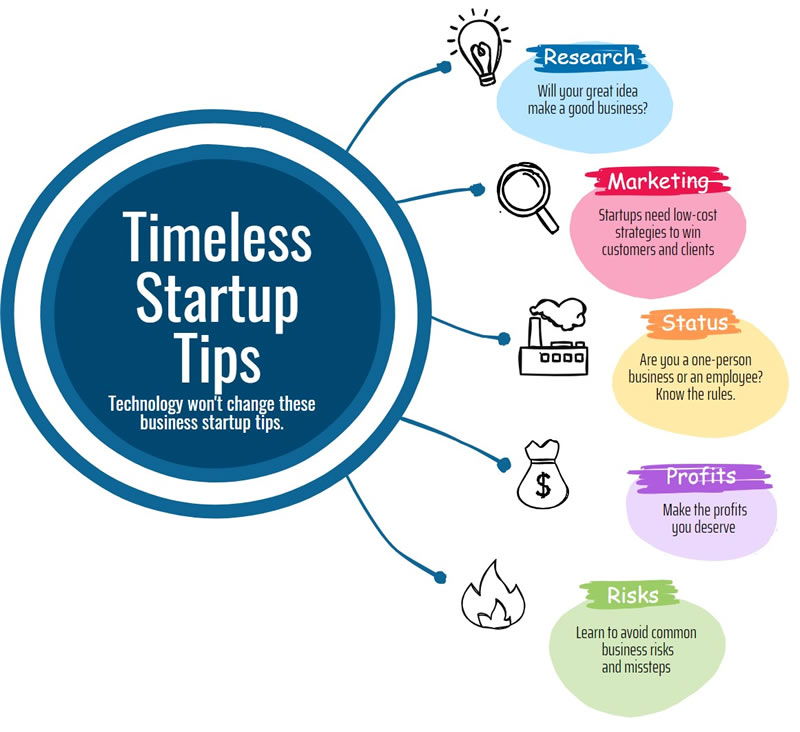
Launching Success: Essential Startup Tips for Entrepreneurs

Launching Success: Essential Startup Tips for Entrepreneurs

Launching Success: Essential Startup Tips for Entrepreneurs

Embarking on a startup journey requires strategic planning and a solid foundation. This article explores essential startup tips to guide entrepreneurs through the challenges and opportunities of building a successful business.


Explore Startup Tips at Homecontractorhub.info

Discover industry-specific startup insights tailored for the home improvement sector at Startup Tips. From business planning to marketing strategies, uncover valuable advice to propel your home contracting startup to success.


Thorough Market Research and Planning

Before diving into a startup venture, conduct thorough market research. Identify your target audience, analyze competitors, and assess market trends. A well-researched business plan serves as a roadmap, outlining your goals, strategies, and financial projections.


Focus on Unique Value Proposition

Differentiate your startup by emphasizing a unique value proposition. Clearly communicate what sets your business apart from competitors. Whether it’s innovative services, exceptional customer service, or a niche market focus, a compelling value proposition attracts customers and investors.


Leverage Digital Marketing Strategies

In the digital age, a strong online presence is crucial for startup success. Utilize digital marketing strategies such as social media marketing, search engine optimization (SEO), and content marketing. An effective digital marketing plan enhances brand visibility and attracts a broader audience.


Build a Strong Online Presence

Create a professional and user-friendly website to serve as the online face of your startup. Ensure that your website provides essential information, showcases your products or services, and facilitates easy communication with potential customers. An impactful online presence contributes to credibility and trust.


Prioritize Customer Experience

A focus on customer experience is integral to startup success. Prioritize customer satisfaction by delivering high-quality products or services and providing excellent customer support. Positive customer experiences lead to repeat business and positive word-of-mouth referrals.


Financial Management and Budgeting

Effective financial management is crucial for startup sustainability. Develop a detailed budget that accounts for all expenses and revenue projections. Monitor cash flow closely and make informed financial decisions to ensure the financial health of your startup.


Networking and Building Relationships

Networking is a powerful tool for startups. Attend industry events, join professional associations, and build relationships with fellow entrepreneurs and potential partners. Networking provides valuable insights, mentorship opportunities, and potential collaborations that can propel your startup forward.


Embrace Innovation and Adaptability

Successful startups embrace innovation and adaptability. Stay informed about industry trends, technological advancements, and changes in consumer behavior. Be willing to pivot your strategies based on market feedback and emerging opportunities.


Effective Team Building and Leadership

Build a strong and cohesive team that shares the vision and values of your startup. Effective team building and leadership are essential for fostering a positive work culture and achieving common goals. Invest in team development and communication for long-term success.


Continuous Learning and Improvement

The startup journey is a continuous learning process. Stay curious, seek knowledge, and be open to feedback. Attend relevant workshops, conferences, and industry events to stay abreast of developments and continuously improve your skills as an entrepreneur.


Seek Professional Guidance and Mentorship

Don’t hesitate

Strategies for Empowering Employees to Thrive

Strategies for Empowering Employees to Thrive

Unlocking Potential: Strategies for Employee Empowerment

In today’s dynamic workplace, employee empowerment is not just a buzzword but a fundamental aspect of fostering a positive and productive work environment. Let’s explore strategies that organizations can implement to empower their employees and unleash their full potential.

Fostering a Culture of Open Communication

Open communication is the bedrock of employee empowerment. Establishing channels for transparent dialogue creates an inclusive environment where employees feel heard and valued. Encouraging feedback, both upwards and downwards, fosters a culture of collaboration and mutual respect.

Providing Opportunities for Skill Development

Empowerment goes hand in hand with skill development. Offering opportunities for employees to enhance their skills not only benefits the individual but also contributes to the overall growth of the organization. Training programs, workshops, and mentorship initiatives are effective avenues for continuous learning.

Promoting Autonomy and Decision-Making

Granting employees autonomy over their work and decision-making processes is a powerful empowerment strategy. When individuals have the freedom to make choices and take ownership of their tasks, it not only boosts morale but also cultivates a sense of responsibility and accountability.

Recognizing and Rewarding Contributions

Recognition is a potent tool for employee empowerment. Acknowledging and appreciating employees for their contributions, whether big or small, reinforces a positive work culture. Implementing reward systems, employee of the month programs, or recognition ceremonies fosters a sense of achievement.

Creating a Clear Path for Career Growth

Empowering employees involves providing a clear path for career growth within the organization. Offering advancement opportunities, career planning sessions, and mentorship programs signals to employees that their professional development is a priority for the company.

Ensuring Work-Life Balance

A healthy work-life balance is integral to employee well-being and empowerment. Organizations that prioritize and respect employees’ time outside of work foster loyalty and dedication. Implementing flexible work schedules and remote work options contributes to a balanced and empowered workforce.

Building Trust and Transparency

Trust is the foundation of empowerment. Establishing trust between leadership and employees creates a supportive atmosphere where individuals feel secure in their roles. Transparency in decision-making processes and company policies further strengthens this foundation.

Encouraging Innovation and Creativity

Empowerment flourishes in environments that encourage innovation and creativity. Providing platforms for employees to share ideas, participate in brainstorming sessions, and contribute to problem-solving instills a sense of purpose and fosters a culture of continuous improvement.

Emphasizing Inclusivity and Diversity

Inclusive workplaces empower employees by recognizing and celebrating diversity. Valuing diverse perspectives and fostering an inclusive culture creates a sense of belonging. Organizations that prioritize inclusivity reap the benefits of a rich tapestry of ideas and experiences.

Employee Empowerment Strategies: A Holistic Approach

For organizations seeking to implement employee empowerment strategies, the key lies in adopting a holistic approach. These strategies are interconnected, and their effectiveness is amplified when implemented as part of a comprehensive empowerment initiative.

To delve deeper into Employee Empowerment Strategies and explore additional insights, visit homecontractorhub.info. Empower your workforce and cultivate a workplace where individuals thrive and contribute their best to organizational