Implementing Digital Product Passports (Traceability Labels)

Provides expert insights into implementing Digital Product Passports (Traceability Labels) for transparency and regulatory compliance.

In my years working with product serialization and supply chain visibility, the conversation around truly comprehensive product information has intensified. We’ve moved past simple barcodes towards a need for dynamic, interconnected data accessible throughout a product’s lifecycle. This shift is driven by a complex interplay of consumer demand for transparency, stricter regulatory frameworks, and the urgent need for sustainable practices. Implementing advanced traceability solutions is no longer a niche requirement; it’s becoming a foundational operational necessity for any business dealing with physical goods.

Overview

  • Digital Product Passports (Traceability Labels) serve as digital twins for physical products, storing crucial lifecycle data.
  • They integrate unique identifiers with cloud-based data repositories, accessible via various scanning technologies.
  • Implementation requires addressing data standardization, system interoperability, and stakeholder collaboration.
  • These passports are vital for improving supply chain resilience, enabling faster recalls, and combating counterfeiting.
  • Beyond compliance, they support circular economy models and build significant consumer trust through verifiable product information.
  • The global push, including potential future mandates in the US, makes understanding and preparing for these systems critical now.

Understanding Digital Product Passports (Traceability Labels): The Foundation

From a practical standpoint, a Digital Product Passport (Traceability Labels) acts as a rich, digital data record for a physical item. It’s not just a serial number; it’s a living dossier. Each product receives a unique identifier, often embedded in a QR code, NFC tag, or RFID chip. When scanned, this identifier links to a digital profile holding data points like origin, materials, manufacturing processes, repair history, and even end-of-life instructions. This data resides on a secure, often decentralized, digital platform.

My team has seen firsthand how these systems move beyond basic track and trace. They enable granular visibility. For instance, knowing which batch of raw material went into a specific finished good offers immense control. This level of detail is critical for compliance with emerging regulations, particularly in sectors like textiles, electronics, and batteries, where sustainability reporting is becoming mandatory. It provides a clear, verifiable chain of custody for every item.

Key Challenges and Solutions in Traceability Implementation

Implementing robust traceability systems presents distinct hurdles. One major challenge is achieving data interoperability across diverse IT infrastructures of multiple supply chain partners. Legacy systems often struggle to communicate seamlessly with newer, cloud-based platforms. Another significant factor is the upfront investment required for technology upgrades and staff training. Convincing all stakeholders, from raw material suppliers to retailers, about the long-term benefits is also essential.

Our experience shows that a phased implementation approach works best. Start with a pilot project involving a single product line or a limited set of partners. Focus on standardized data formats and protocols to ease integration pains. Solutions like GS1 standards or industry-specific data models help bridge compatibility gaps. Cloud-native platforms designed for supply chain visibility can accelerate deployment, reducing the burden on internal IT resources. Furthermore, seeking government incentives or industry grants can help offset initial costs.

Leveraging

Addressing Greenwashing Litigation & Consumer Protection

Facing greenwashing claims? Learn about the evolving landscape of Greenwashing Litigation & Consumer Protection, regulatory actions, and consumer trust.

The push for sustainability has fundamentally reshaped corporate strategy and consumer expectations. However, this shift has also brought challenges, particularly the rise of greenwashing. Greenwashing refers to misleading environmental claims made by companies. Our experience shows that identifying and addressing these claims is crucial. It impacts not only brand integrity but also legal and financial stability.

Overview:

  • Greenwashing involves deceptive marketing regarding a product’s or company’s environmental practices.
  • Regulatory bodies, especially in the US, are increasing scrutiny on green claims.
  • Consumer protection laws are being actively leveraged to challenge misleading environmental statements.
  • Class-action lawsuits initiated by consumers are a growing threat for companies engaged in greenwashing.
  • Reputational damage and financial penalties are significant consequences of greenwashing litigation.
  • Proactive verification of environmental claims is essential to mitigate legal and brand risks.
  • Stakeholder expectations for genuine sustainability are driving demand for transparency and accountability.

The Evolving Landscape of Greenwashing Litigation & Consumer Protection

The legal and regulatory environment surrounding green claims is rapidly maturing. What might have been considered aspirational marketing years ago is now subject to intense scrutiny. From a real-world perspective, we’ve observed a marked increase in both regulatory enforcement actions and consumer class-action lawsuits. The Federal Trade Commission (FTC) in the US, for instance, has updated its “Green Guides.” These guidelines set standards for environmental marketing claims. They aim to prevent deception and ensure accuracy. Companies must now provide verifiable evidence for their claims. This includes statements about carbon neutrality, recyclability, and natural ingredients. The FTC’s actions often lead to significant penalties and mandates for corrective advertising.

Beyond federal agencies, state attorneys general are also stepping up. They are utilizing state-level consumer protection statutes to target companies. This creates a patchwork of legal risks that businesses must meticulously manage. The sheer volume of consumer litigation highlights a growing public awareness. Consumers are increasingly critical of sustainability pledges. They demand tangible proof. This elevated awareness fuels new legal challenges. It also compels companies to re-evaluate their entire communication strategy around environmental attributes. Addressing these challenges requires a robust legal framework. It also demands a deep understanding of evolving consumer expectations. The focus remains on transparency and substantiated claims to avoid issues related to Greenwashing Litigation & Consumer Protection.

Regulatory Scrutiny and Enforcement Trends

Regulatory bodies globally are sharpening their focus on environmental claims. In the US, the Securities and Exchange Commission (SEC) is examining ESG disclosures made by public companies. This expands the scope beyond product marketing to broader corporate sustainability reporting. Our experience confirms that companies must now align their public statements with internal practices. Any disconnect can trigger investigations. We’ve seen enforcement actions against investment funds falsely marketing as “green.” This signals a wider push for integrity across financial markets. These cases demonstrate a clear trend: regulators expect genuine commitment, not just rhetoric.

The legal ramifications extend beyond fines. They often include injunctions, mandatory disclosures, and reputational

Lightweighting Automotive Solutions and Trends

The automotive industry faces constant pressure to improve fuel efficiency, performance, and sustainability. One of the most effective strategies for achieving these goals is lightweighting (automotive) – reducing the weight of vehicles without compromising safety or performance. This article explores the latest lightweighting (automotive) solutions and the trends driving their adoption, offering valuable insights for anyone interested in the future of vehicle design.

Key Takeaways:

  • Lightweighting (automotive) is crucial for improving fuel efficiency and reducing emissions.
  • Advanced materials like aluminum, magnesium, carbon fiber, and high-strength steel are key to lightweighting (automotive) strategies.
  • Innovative manufacturing processes like additive manufacturing and joining techniques are facilitating the implementation of lightweighting (automotive).
  • Lightweighting (automotive) contributes to enhanced vehicle performance and a more sustainable automotive industry.

What Materials are Driving Lightweighting (Automotive)?

The choice of materials is at the heart of any lightweighting (automotive) strategy. Traditional steel is being replaced or augmented with lighter alternatives that offer comparable or superior strength-to-weight ratios. Here’s a look at some of the most prominent materials:

  • Aluminum: Widely used in body panels, chassis components, and engine parts, aluminum offers a significant weight reduction compared to steel while maintaining good strength and corrosion resistance. Its recyclability also contributes to sustainability.
  • Magnesium: Even lighter than aluminum, magnesium is finding increased use in interior components, housings, and structural parts. However, its higher cost and susceptibility to corrosion present challenges that require careful engineering solutions.
  • Carbon Fiber Reinforced Polymers (CFRP): Offering exceptional strength and stiffness at a fraction of the weight of steel, CFRP is increasingly used in high-performance vehicles and structural components. While costly, advancements in manufacturing processes are making CFRP more accessible.
  • High-Strength Steel (HSS): Advanced grades of steel offer increased strength with reduced thickness, allowing for weight savings without sacrificing structural integrity. HSS is a cost-effective alternative to other lightweight materials in many applications.
  • Plastics and Composites: Various plastics and composite materials are used for interior components, body panels, and trim parts. These materials offer design flexibility and can be tailored to specific performance requirements.

The optimal material choice depends on a variety of factors, including cost, performance requirements, manufacturing feasibility, and recyclability. Often, a combination of materials is used to achieve the best balance of weight, strength, and cost.

How are Manufacturing Processes Evolving with Lightweighting (Automotive)?

Simply switching to lighter materials isn’t enough. Innovative manufacturing processes are crucial for effectively utilizing these materials and achieving optimal weight reduction. Here are some key trends:

  • Additive Manufacturing (3D Printing): Additive manufacturing allows for the creation of complex geometries and customized components with minimal material waste. This is particularly valuable for producing lightweight parts with optimized designs.
  • Advanced Joining Techniques: Joining lightweight materials like aluminum and CFRP requires specialized techniques, such as adhesive bonding, friction stir welding, and self-piercing riveting. These techniques ensure strong and durable joints without adding excessive weight.
  • Hot Forming: This process involves heating high-strength steel to extreme temperatures before shaping it, resulting in parts with exceptional strength and reduced thickness.
  • Hydroforming: Hydroforming uses pressurized

Culinary Ventures: Navigating the Food Business in USA

Culinary Ventures: Navigating the Food Business in USA

Embarking on Culinary Ventures: Thriving in the Food Business Landscape

The food business in the USA is a dynamic and thriving industry, offering ample opportunities for culinary entrepreneurs. From restaurants and food trucks to catering services and product development, navigating this diverse landscape requires a strategic approach and an understanding of the factors that contribute to success.

Understanding Market Trends and Consumer Preferences

One of the foundational elements of a successful food business is a deep understanding of market trends and consumer preferences. Keeping abreast of evolving tastes, dietary preferences, and emerging culinary trends allows entrepreneurs to tailor their offerings to meet the demands of a diverse and discerning consumer base.

Crafting a Unique Culinary Identity

In a saturated market, standing out is crucial. Entrepreneurs in the food business must craft a unique culinary identity that sets them apart. Whether it’s through a distinctive menu, a signature dish, or a particular cooking style, establishing a memorable brand identity is key to attracting and retaining customers.

Navigating the Regulatory Landscape

Compliance with regulatory requirements is a non-negotiable aspect of the food business. Entrepreneurs need to navigate licensing, health and safety regulations, and food handling standards. Staying informed about local, state, and federal regulations ensures a smooth and legally compliant operation.

Embracing Sustainability and Locally-Sourced Ingredients

Sustainability has become a focal point in the food industry. Entrepreneurs can capitalize on the growing interest in sustainable practices by incorporating eco-friendly initiatives into their business model. Additionally, emphasizing the use of locally-sourced ingredients not only supports the community but also resonates with environmentally conscious consumers.

Leveraging Technology for Business Growth

In the digital age, technology plays a pivotal role in the success of a food business. From online ordering systems and delivery apps to social media marketing, leveraging technology enhances visibility, streamlines operations, and provides new avenues for customer engagement. Embracing these tools is essential for staying competitive.

Creating Memorable Dining Experiences

Beyond the food itself, creating memorable dining experiences is a powerful strategy. Ambiance, customer service, and attention to detail all contribute to the overall experience. Entrepreneurs can focus on creating a welcoming atmosphere that keeps customers coming back and generates positive word-of-mouth referrals.

Diversifying Revenue Streams

Successful food businesses often diversify their revenue streams. This could involve catering services, partnerships with local events, or even product lines such as sauces or packaged goods. Diversification not only enhances financial stability but also expands the brand’s reach within the market.

Building Strong Community Connections

Establishing a strong presence within the local community is invaluable. Participating in community events, supporting local initiatives, and engaging with customers on a personal level foster a sense of community connection. Building positive relationships with the community can translate into loyal customers and brand advocates.

Continuous Innovation and Adaptability

The food business is ever-evolving, and entrepreneurs must embrace continuous innovation. This involves experimenting with new recipes, staying ahead of culinary trends, and adapting to changing consumer preferences. A commitment to innovation ensures that a food business remains relevant and appealing

Navigating E-commerce Trends for Sustainable Growth

Navigating E-commerce Trends for Sustainable Growth

Navigating E-commerce Trends for Sustainable Growth

E-commerce continues to evolve, driven by technological advancements and changing consumer behaviors. Staying abreast of current trends is crucial for businesses looking to thrive in the competitive online marketplace. Let’s explore the key e-commerce trends shaping the industry and strategies for sustainable growth.

Mobile Commerce Dominance

Mobile commerce, or m-commerce, has become a dominant force in the e-commerce landscape. With the increasing use of smartphones, consumers prefer the convenience of shopping on mobile devices. E-commerce businesses must optimize their websites and ensure a seamless mobile experience to capture this growing market.

Personalization and Customer Experience

The trend toward personalization in e-commerce is reshaping how businesses interact with customers. Tailoring product recommendations, personalized marketing messages, and providing a customized shopping experience enhance customer satisfaction and foster brand loyalty. Utilizing data analytics is essential for effective personalization strategies.

E-commerce Trends in action: Explore more insights and resources on homecontractorhub.info.

Artificial Intelligence (AI) Integration

AI is revolutionizing e-commerce by offering advanced analytics, chatbots, and personalized recommendations. Machine learning algorithms analyze customer behavior to provide more accurate product suggestions, enhancing the overall shopping experience. Integrating AI technologies helps businesses stay competitive and efficient.

Voice Commerce on the Rise

With the proliferation of voice-activated devices like smart speakers, voice commerce is gaining momentum. Consumers can now make purchases using voice commands. E-commerce businesses should optimize their platforms for voice search and explore voice-activated shopping capabilities to cater to this emerging trend.

Sustainability and Ethical Shopping

E-commerce trends reflect a growing awareness of environmental and ethical considerations. Consumers are increasingly drawn to sustainable and socially responsible brands. E-commerce businesses adopting eco-friendly practices, transparent supply chains, and ethical sourcing can attract conscientious consumers and contribute to a positive brand image.

Augmented Reality (AR) for Enhanced Shopping

AR technology is transforming the online shopping experience by allowing customers to virtually try products before making a purchase. E-commerce platforms integrating AR features enhance product visualization, reduce returns, and provide a more immersive shopping experience, boosting customer confidence.

Subscription-Based Models

Subscription-based e-commerce models are gaining popularity, offering customers a convenient and personalized way to receive products regularly. From subscription boxes to digital services, businesses can build recurring revenue streams and foster long-term customer relationships through subscription-based models.

Social Commerce Integration

Social media platforms are increasingly becoming e-commerce hubs. Social commerce allows businesses to sell products directly on social media, providing a seamless shopping experience for users. Leveraging social media for product discovery and purchasing is a trend that aligns with changing consumer habits.

Evolving Payment Options

E-commerce trends also extend to payment methods. The rise of digital wallets, contactless payments, and cryptocurrency acceptance reflects the evolving preferences of consumers. E-commerce businesses should offer diverse payment options to cater to a broader audience and streamline the checkout process.

Supply Chain Resilience

The COVID-19 pandemic highlighted the importance of resilient supply chains. E-commerce businesses are focusing on diversifying suppliers, implementing inventory management systems, and enhancing logistics to ensure the seamless flow of products. Building a

Renewable Energy Trends Shaping the Future of USA

Renewable Energy Trends Shaping the Future of USA

Renewable Energy Trends Shaping the Future of USA

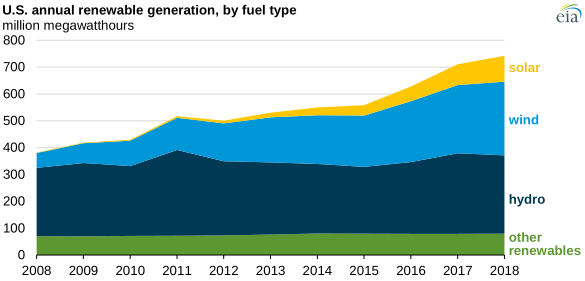
The United States is at the forefront of a transformative shift towards sustainable and renewable energy sources. This movement is not just an environmental choice but a strategic decision to address the growing energy demands while reducing the carbon footprint. Let’s explore some of the key trends shaping the future of renewable energy in the USA.

1. Solar Power Dominance

Solar power has emerged as a dominant force in the renewable energy landscape of the United States. The decreasing costs of solar panels, coupled with advancements in technology, have made solar energy more accessible and cost-effective. As a result, solar installations have seen a significant uptick across the country, from residential rooftops to large-scale solar farms.

2. Wind Energy Expansion

Wind energy is another crucial player in the renewable energy sector. With vast expanses of land suitable for wind farms, the USA has been steadily increasing its wind energy capacity. Technological innovations in wind turbine design and efficiency improvements contribute to the growth of wind power as a reliable and sustainable source of electricity.

3. Energy Storage Solutions

The intermittent nature of renewable energy sources, such as solar and wind, highlights the importance of energy storage solutions. Advancements in battery technologies play a pivotal role in storing excess energy generated during peak times for use when demand is high or during periods of low renewable energy production. This ensures a more consistent and reliable power supply.

4. Electrification of Transportation

The electrification of transportation is a significant trend contributing to the overall growth of renewable energy in the USA. The widespread adoption of electric vehicles (EVs) not only reduces dependence on fossil fuels but also creates new opportunities for integrating renewable energy into the grid. Smart charging infrastructure is becoming a key focus to support the growing number of EVs on the road.

5. Government Initiatives and Policies

Government support and policies have a profound impact on the renewable energy landscape. In recent years, the USA has seen a surge in federal and state-level initiatives aimed at promoting clean energy adoption. Tax incentives, grants, and ambitious clean energy targets encourage businesses and individuals to invest in renewable technologies.

6. Green Building Practices

The construction industry is embracing green building practices that prioritize energy efficiency and the use of renewable resources. From energy-efficient appliances to sustainable building materials, the integration of green technologies in construction contributes to reducing the overall environmental impact of buildings.

As we witness these transformative trends, it’s clear that renewable energy is reshaping the energy landscape of the USA. Embracing sustainability not only aligns with global efforts to combat climate change but also opens up economic opportunities and ensures energy security for the nation.

To stay updated on the latest developments in Renewable Energy Trends in the USA, visit Renewable Energy Trends in USA.