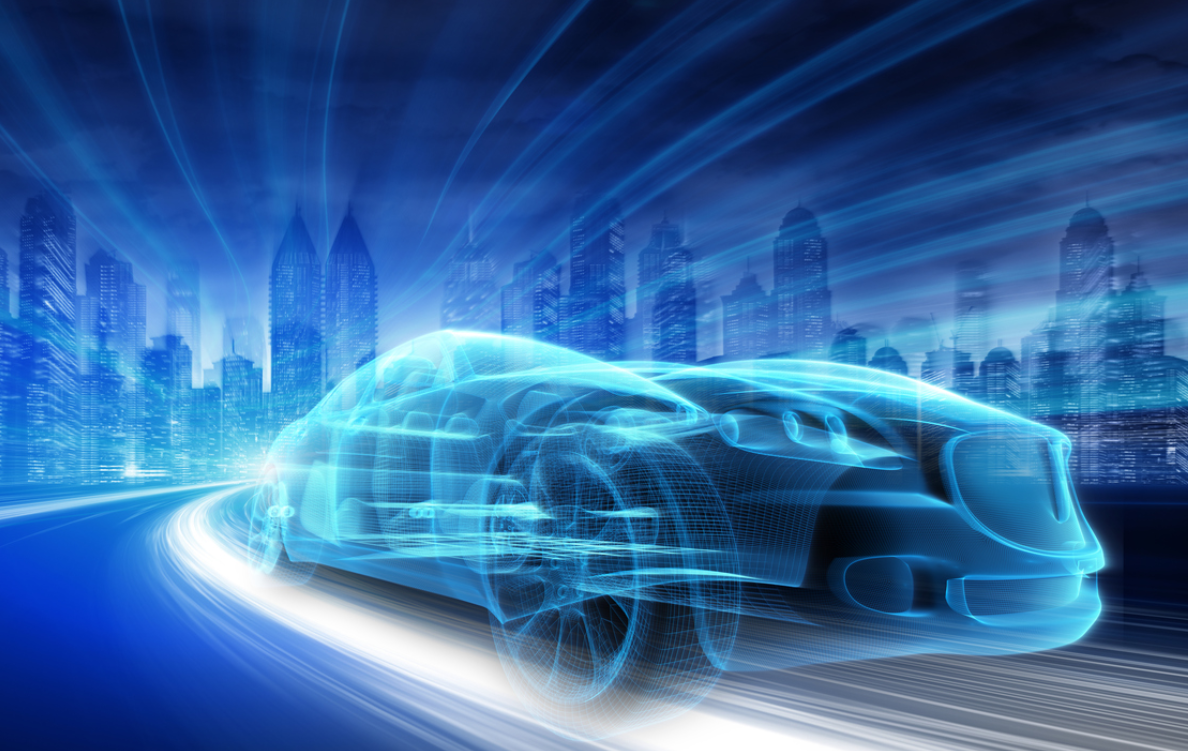
Drive Smarter, Not Harder Connected Car Tech

Navigating with Ease: GPS and Beyond

Gone are the days of crumpled maps and frantic searches for addresses. Modern connected car technology offers seamless GPS navigation, often integrated directly into the dashboard’s infotainment system. These systems not only provide turn-by-turn directions but also offer real-time traffic updates, helping you avoid congestion and potential delays. Many systems even learn your driving habits, suggesting optimal routes based on your preferred style and past journeys. Beyond basic navigation, some advanced systems offer features like lane guidance, augmented reality overlays showing directions on the actual road view, and even parking assistance, making navigating unfamiliar areas or bustling city centers significantly less stressful.

Safety First: Advanced Driver-Assistance Systems (ADAS)

Connected car technology plays a vital role in enhancing road safety. ADAS features, like adaptive cruise control (ACC) and automatic emergency braking (AEB), utilize sensors and cameras to monitor the vehicle’s surroundings. ACC maintains a safe following distance from the car in front, automatically adjusting speed to avoid collisions. AEB automatically applies the brakes if it detects an imminent collision, potentially mitigating or even preventing accidents. Lane departure warnings and blind-spot monitoring systems further enhance safety by alerting the driver to potential hazards they might otherwise miss. These features work together to create a safer and more comfortable driving experience, particularly on long journeys or in heavy traffic.

Staying Connected: Communication and Entertainment

The “connected” aspect of these cars extends beyond navigation and safety. Many vehicles now boast seamless smartphone integration, allowing you to access your favorite apps, music, and communication tools directly through the car’s interface. This often involves features like Apple CarPlay or Android Auto, which mirror your phone’s screen and functionalities onto the car’s display. This allows for hands-free calling, voice-activated commands, and easy access to music streaming services, making the driving experience more enjoyable and less distracting. Furthermore, in-car Wi-Fi hotspots are becoming increasingly common, allowing passengers to stay connected even on the go.

Remote Vehicle Access and Control: Convenience at Your Fingertips

Modern connected cars offer a range of remote access features that enhance convenience and peace of mind. Through a dedicated smartphone app, you can often remotely lock and unlock your vehicle, start the engine (in some models), check the fuel level, and even locate your car in a crowded parking lot. Some systems even provide remote diagnostics, alerting you to potential issues before they become major problems. This level of remote control significantly enhances the overall ownership experience, making life easier and less stressful.

Predictive Maintenance: Keeping Your Car Running Smoothly

Connected car technology is increasingly utilized for predictive maintenance. By constantly monitoring various vehicle systems, the car can identify potential issues before they become major problems. This might involve detecting low tire pressure, flagging a failing sensor, or predicting when a service might be needed. Early warnings allow for proactive maintenance, preventing more serious and costly repairs down the line. This not only saves money but also reduces the risk of unexpected breakdowns and ensures your vehicle remains

Driving into the IoT Era Connected Cars Explained

What is a Connected Car?

At its core, a connected car is a vehicle equipped with technologies that allow it to communicate with the outside world and other devices. This connection is usually facilitated through an embedded cellular modem, Wi-Fi, or a combination of both. This connectivity enables a wide range of features and functionalities that go far beyond the traditional car experience. It’s not just about entertainment; it’s about safety, efficiency, and a whole new level of driver convenience.

Safety Features in Connected Cars

Safety is a major driver behind the adoption of connected car technologies. Features like automatic emergency braking (AEB), lane departure warning, and blind-spot monitoring are becoming increasingly common. But connected cars take safety further. They can communicate with other vehicles (V2V) and infrastructure (V2I), warning drivers of potential hazards ahead, even around blind corners or before an accident occurs. Real-time traffic updates and emergency services alerts are also readily available, ensuring faster response times in critical situations.

Infotainment and Connectivity

The entertainment aspect of connected cars is arguably the most immediately noticeable. Large touchscreens, smartphone integration (Apple CarPlay and Android Auto), and access to streaming services are now standard in many new models. Beyond entertainment, connected cars offer in-car Wi-Fi hotspots, allowing passengers to stay connected on the go. This also opens doors to features like over-the-air software updates, keeping the car’s systems up-to-date and enhancing its performance and functionality.

Remote Access and Control

Connected cars offer a level of remote access and control previously unimaginable. Through a dedicated app, owners can remotely lock and unlock their car, start the engine, check fuel levels, locate their vehicle, and even pre-condition the cabin temperature. This convenience extends to maintenance as well; diagnostic data can be transmitted remotely to mechanics, allowing for quicker troubleshooting and repairs. In some instances, remote diagnostics can even prevent significant issues from developing.

Data Collection and Privacy Concerns

The extensive data collection capabilities of connected cars raise legitimate privacy concerns. These vehicles collect a vast amount of information about driving habits, location, and even in-car conversations. While this data can be used to improve vehicle performance and safety, and to personalize user experiences, it’s crucial that manufacturers implement robust data security measures and transparent data usage policies to protect user privacy. Consumers should be aware of what data is being collected and how it’s being used.

The Future of Connected Cars: Autonomous Driving and Beyond

Connected car technology is paving the way for autonomous driving. The ability to communicate with other vehicles and infrastructure is essential for self-driving cars to navigate safely and efficiently. Beyond autonomous driving, we can expect further advancements in areas like personalized driver assistance, predictive maintenance, and the integration of connected cars into smart cities. The possibilities are vast, promising a future of safer, more efficient, and more convenient transportation.

Challenges and Limitations of Connected Car Technology

While the potential benefits are significant, challenges remain. Reliable cellular connectivity is crucial for many features, and coverage gaps can significantly

5G The Engine of the Connected Car Revolution

The Rise of the Connected Car

The automotive industry is undergoing a dramatic transformation, fueled by advancements in connectivity and technology. The connected car, once a futuristic concept, is rapidly becoming the norm. This shift is largely driven by the arrival of 5G, a game-changing technology that offers the speed, low latency, and bandwidth necessary to power the sophisticated applications and features that define the modern connected vehicle.

5G: The Connectivity Backbone

5G’s superior capabilities are fundamental to the connected car experience. Unlike previous generations, 5G delivers significantly faster download and upload speeds, enabling seamless streaming of high-definition entertainment, real-time data transfer for advanced driver-assistance systems (ADAS), and swift over-the-air (OTA) software updates. This speed is crucial for applications demanding immediate responses, like autonomous driving features that require near-instantaneous communication between the car and its surroundings.

Enhanced Safety Features Through 5G

Safety is paramount in the automotive industry, and 5G significantly enhances the safety features available in connected cars. The low latency of 5G allows for faster communication between vehicles (V2V), vehicles and infrastructure (V2I), and vehicles and pedestrians (V2P). This real-time communication enables advanced driver-assistance systems, like collision avoidance, adaptive cruise control, and blind-spot monitoring, to function with greater precision and responsiveness, leading to a considerable reduction in accidents.

The Role of 5G in Autonomous Driving

The development of self-driving cars is heavily reliant on seamless connectivity. 5G’s high bandwidth and low latency are crucial for autonomous vehicles to process vast amounts of data from sensors, cameras, and other onboard systems, as well as receive real-time updates from infrastructure and other vehicles. This data is essential for the car’s decision-making processes, allowing it to navigate safely and efficiently in complex environments. Without the reliability and speed provided by 5G, fully autonomous driving would remain a distant prospect.

Improved Infotainment and Passenger Experience

Beyond safety and autonomous driving, 5G elevates the overall in-car experience. Passengers can enjoy seamless streaming of high-definition movies and music, without buffering or interruptions. Real-time navigation with precise traffic updates, interactive gaming, and high-quality video conferencing become a reality, transforming the car from a simple mode of transport into a mobile entertainment and communication hub.

Over-the-Air (OTA) Updates: A Game Changer

5G facilitates fast and efficient OTA software updates, a crucial element in the connected car ecosystem. These updates allow manufacturers to quickly deploy patches for security vulnerabilities, introduce new features, and improve existing functionalities, ensuring that the car remains up-to-date and optimized throughout its lifespan. The speed provided by 5G makes OTA updates far more practical, minimizing downtime and enhancing the overall ownership experience.

Challenges and Future Considerations

While 5G offers immense potential, challenges remain. The rollout of 5G infrastructure needs to be comprehensive and reliable to support widespread adoption of connected car technology. Data security and privacy concerns need to be addressed proactively to protect sensitive information transmitted between the vehicle and the network. Finally, the development of standardized communication protocols and robust cybersecurity measures is vital to ensure the smooth and secure operation