
Digital Therapeutics The Future of Healthcare?

What are Digital Therapeutics?

Digital therapeutics (DTx) are clinically validated software programs designed to prevent, manage, or treat medical conditions. Unlike fitness trackers or apps offering general wellness advice, DTx solutions are evidence-based, offering a level of therapeutic efficacy comparable to traditional medicine. They leverage technologies like mobile apps, wearables, and telehealth platforms to deliver interventions that address specific health needs. This can range from providing personalized behavioral therapy for anxiety to helping manage chronic conditions like diabetes through remote monitoring and tailored feedback.

The Growing Need for Accessible and Affordable Healthcare

The global healthcare system faces increasing pressure. Rising costs, aging populations, and a shortage of healthcare professionals create a critical need for more accessible and cost-effective solutions. DTx offers a promising pathway to address these challenges. They can provide care in remote areas with limited access to specialists, reduce hospital readmissions, and minimize the need for frequent in-person appointments, leading to significant cost savings for both patients and healthcare systems.

DTx: A Powerful Tool for Personalized Medicine

One of the most exciting aspects of DTx is its potential for personalization. Traditional medicine often adopts a “one-size-fits-all” approach. DTx, however, can collect vast amounts of data on individual patients, allowing for the development of highly personalized treatment plans. This data-driven approach can lead to more effective interventions tailored to a patient’s unique needs, preferences, and health profile, ultimately improving treatment outcomes and patient satisfaction.

Examples of Successful Digital Therapeutics Applications

Numerous DTx applications are already proving their effectiveness. For instance, apps for smoking cessation have demonstrated success rates comparable to traditional therapies. Similarly, DTx programs designed for managing chronic pain have shown significant improvements in patients’ quality of life. In mental health, DTx solutions for anxiety and depression are gaining traction, offering convenient and accessible support for individuals who may struggle to access traditional therapy.

Addressing Concerns about Data Privacy and Security

With the increasing use of DTx, concerns about data privacy and security are paramount. Patient data collected through these applications must be handled responsibly and ethically, ensuring compliance with relevant regulations. Robust security measures are crucial to prevent data breaches and protect patient confidentiality. Transparency and clear communication with patients about data usage policies are essential to build trust and encourage widespread adoption.

The Regulatory Landscape and Future Development of DTx

The regulatory landscape for DTx is evolving rapidly. Health authorities worldwide are working to establish clear guidelines and approval processes for these innovative therapies. This regulatory framework will play a vital role in ensuring the safety and efficacy of DTx solutions. As the technology advances and more clinical evidence emerges, we can expect to see a wider range of DTx applications addressing a broader spectrum of medical conditions.

Integration with Existing Healthcare Systems

For DTx to reach its full potential, seamless integration with existing healthcare systems is crucial. This involves collaboration between healthcare providers, technology developers, and regulatory bodies. Developing interoperable systems that allow for the exchange of patient data between DTx platforms and electronic health

The Future is Automated Smart Factories Now

The Rise of the Smart Factory

The manufacturing landscape is undergoing a dramatic transformation. Gone are the days of repetitive, manual labor dominating the factory floor. Instead, we’re witnessing the rise of the smart factory, a digitally connected ecosystem where automation, data analytics, and artificial intelligence work in harmony to optimize production, improve efficiency, and enhance overall competitiveness. This shift isn’t just a trend; it’s a fundamental restructuring of how goods are manufactured, driven by the need for greater agility, flexibility, and responsiveness in a rapidly changing global market.

Automation: The Backbone of the Smart Factory

Automation is the very heart of the smart factory. Robots, automated guided vehicles (AGVs), and sophisticated machinery handle repetitive tasks with precision and speed, freeing human workers to focus on more complex and strategic roles. This isn’t about replacing humans entirely; it’s about empowering them to contribute at a higher level. Automation reduces errors, increases output, and ensures consistency in quality, leading to significant cost savings and improved product quality.

The Power of Data Analytics in Manufacturing

Smart factories generate a massive amount of data – from machine performance to energy consumption, production output, and supply chain logistics. The ability to collect, analyze, and interpret this data is crucial. Advanced analytics provide insights into areas for improvement, allowing manufacturers to proactively address potential issues, optimize processes, and predict future needs. This data-driven approach fosters continuous improvement and enhances decision-making across all aspects of the factory operation.

Artificial Intelligence: Enhancing Decision-Making

Artificial intelligence (AI) is rapidly becoming an indispensable tool in smart factories. AI-powered systems can analyze vast datasets to identify patterns and anomalies that might go unnoticed by human operators. This enables predictive maintenance, allowing for timely repairs before equipment failures disrupt production. AI can also optimize production schedules, manage inventory more effectively, and even personalize products based on customer demand. The integration of AI is driving a new level of intelligence and autonomy in manufacturing.

The Internet of Things (IoT): Connecting the Factory Floor

The Internet of Things (IoT) is the connective tissue of the smart factory. By linking various machines, sensors, and devices across the factory floor, the IoT creates a seamless flow of information. This allows for real-time monitoring of processes, equipment status, and production performance. The data collected through the IoT forms the basis for the advanced analytics and AI applications that drive efficiency and optimization within the smart factory environment. It truly creates a living, breathing network of interconnected systems.

The Human Element: Collaboration and Upskilling

While automation and AI are crucial components of the smart factory, the human element remains indispensable. The transition to a smart factory requires a workforce that’s equipped with the skills to manage, maintain, and improve these sophisticated systems. Upskilling and reskilling initiatives are vital to ensure that workers have the knowledge and expertise to thrive in this new environment. The focus shifts from manual labor to roles that require problem-solving, critical thinking, and collaboration with intelligent machines.

Supply Chain Integration and Optimization

Smart

Escape the Ordinary Top Asian Nomad Spots

Discovering the Untamed Beauty of Bhutan

Bhutan, nestled high in the Himalayas, offers a unique escape. Forget bustling cities; here, ancient monasteries cling to dramatic cliffs, and pristine valleys teem with vibrant rhododendrons. The focus is on Gross National Happiness, a philosophy that permeates the culture, resulting in a remarkably peaceful and welcoming atmosphere. Trekking through the mountains, encountering remote villages, and witnessing the breathtaking landscapes is an unforgettable experience. The sheer tranquility and the preservation of traditional ways of life make Bhutan a truly exceptional destination for the discerning nomad.

Exploring the Rice Terraces of Sapa, Vietnam

Vietnam’s northern highlands boast the stunning rice terraces of Sapa. These cascading emerald fields, carved into the mountainside over centuries, are a sight to behold. Trekking through the villages inhabited by various ethnic minorities provides a glimpse into a rich and diverse culture. The locals’ warm hospitality, their colorful traditional clothing, and their intricate handicrafts add to the charm of this unique destination. Beyond the terraces, Sapa offers breathtaking views, opportunities for challenging hikes, and a chance to experience a truly authentic slice of Vietnamese life.

Island Hopping in the Philippines: A Tropical Paradise

The Philippines is an archipelago of over 7,000 islands, each with its own unique character. From the pristine beaches of Boracay to the chocolate hills of Bohol, and the stunning underwater world of Palawan, the possibilities are endless. Island hopping allows you to explore diverse landscapes, from volcanic peaks to coral reefs. Whether you’re relaxing on white-sand beaches, diving amongst vibrant coral gardens, or exploring ancient rice paddies, the Philippines offers a tropical paradise that caters to every taste. The warmth of the Filipino people adds another layer of magic to this unforgettable adventure.

Unveiling the Ancient Wonders of Cambodia

Cambodia, home to the magnificent Angkor Wat, holds a captivating blend of history, culture, and natural beauty. Explore the sprawling temples of Angkor, each one a testament to the Khmer Empire’s grandeur. Beyond the iconic Angkor Wat, discover the intricate carvings of Bayon, the serene atmosphere of Ta Prohm, and the stunning architecture of Angkor Thom. Combine this exploration with a visit to the vibrant city of Siem Reap and a journey through the lush countryside, experiencing the charm of floating villages on the Tonle Sap Lake. Cambodia offers a captivating journey through time and a unique cultural immersion.

Journey Through the Himalayas in Nepal: A Trekker’s Dream

Nepal, the land of the Himalayas, is a trekker’s paradise. From the iconic Everest Base Camp trek to the less-traveled trails of Annapurna, Nepal offers a range of adventures to suit all levels of experience. The breathtaking mountain vistas, the vibrant Sherpa culture, and the stunning landscapes offer an unparalleled sense of adventure and accomplishment. Whether you’re tackling a challenging high-altitude trek or exploring serene valleys, Nepal will leave you breathless – both literally and figuratively. The spiritual heart of the Himalayas awaits, offering serenity and awe-inspiring natural beauty.

Lost in the Lush Landscapes of Laos: Slow Travel at its

Driving into the IoT Era Connected Cars Explained

What is a Connected Car?

At its core, a connected car is a vehicle equipped with technologies that allow it to communicate with the outside world and other devices. This connection is usually facilitated through an embedded cellular modem, Wi-Fi, or a combination of both. This connectivity enables a wide range of features and functionalities that go far beyond the traditional car experience. It’s not just about entertainment; it’s about safety, efficiency, and a whole new level of driver convenience.

Safety Features in Connected Cars

Safety is a major driver behind the adoption of connected car technologies. Features like automatic emergency braking (AEB), lane departure warning, and blind-spot monitoring are becoming increasingly common. But connected cars take safety further. They can communicate with other vehicles (V2V) and infrastructure (V2I), warning drivers of potential hazards ahead, even around blind corners or before an accident occurs. Real-time traffic updates and emergency services alerts are also readily available, ensuring faster response times in critical situations.

Infotainment and Connectivity

The entertainment aspect of connected cars is arguably the most immediately noticeable. Large touchscreens, smartphone integration (Apple CarPlay and Android Auto), and access to streaming services are now standard in many new models. Beyond entertainment, connected cars offer in-car Wi-Fi hotspots, allowing passengers to stay connected on the go. This also opens doors to features like over-the-air software updates, keeping the car’s systems up-to-date and enhancing its performance and functionality.

Remote Access and Control

Connected cars offer a level of remote access and control previously unimaginable. Through a dedicated app, owners can remotely lock and unlock their car, start the engine, check fuel levels, locate their vehicle, and even pre-condition the cabin temperature. This convenience extends to maintenance as well; diagnostic data can be transmitted remotely to mechanics, allowing for quicker troubleshooting and repairs. In some instances, remote diagnostics can even prevent significant issues from developing.

Data Collection and Privacy Concerns

The extensive data collection capabilities of connected cars raise legitimate privacy concerns. These vehicles collect a vast amount of information about driving habits, location, and even in-car conversations. While this data can be used to improve vehicle performance and safety, and to personalize user experiences, it’s crucial that manufacturers implement robust data security measures and transparent data usage policies to protect user privacy. Consumers should be aware of what data is being collected and how it’s being used.

The Future of Connected Cars: Autonomous Driving and Beyond

Connected car technology is paving the way for autonomous driving. The ability to communicate with other vehicles and infrastructure is essential for self-driving cars to navigate safely and efficiently. Beyond autonomous driving, we can expect further advancements in areas like personalized driver assistance, predictive maintenance, and the integration of connected cars into smart cities. The possibilities are vast, promising a future of safer, more efficient, and more convenient transportation.

Challenges and Limitations of Connected Car Technology

While the potential benefits are significant, challenges remain. Reliable cellular connectivity is crucial for many features, and coverage gaps can significantly

Future-Proof Your Bank with Smart RegTech

The Rising Tide of Regulatory Change

The financial services industry faces a constantly shifting landscape of regulations. New rules emerge frequently, often with complex and nuanced requirements. Keeping up with these changes is a monumental task, demanding significant resources and expertise. Failure to comply can lead to hefty fines, reputational damage, and even operational shutdowns. This makes finding effective solutions for regulatory compliance absolutely critical for banks’ long-term sustainability.

RegTech: A Modern Solution to an Age-Old Problem

Regulatory Technology, or RegTech, offers a powerful response to this challenge. It leverages innovative technologies like artificial intelligence (AI), machine learning (ML), and big data analytics to automate and streamline compliance processes. Instead of relying on manual, labor-intensive methods prone to errors, banks can harness RegTech solutions to monitor, analyze, and report regulatory data with greater accuracy and efficiency. This allows for proactive compliance, minimizing risks and freeing up valuable human resources for other strategic initiatives.

Smart RegTech: Beyond Basic Compliance

While basic RegTech solutions offer automated compliance, smart RegTech goes a step further. It incorporates advanced analytical capabilities to provide insights into potential regulatory risks and opportunities. This predictive power allows banks to anticipate changes, adapt proactively, and even leverage regulations to gain a competitive edge. Smart RegTech can identify emerging trends, flag potential violations before they occur, and help banks optimize their compliance strategies for maximum effectiveness. Take advantage of market knowledge with a Home Loans Illawarra

AI-Powered Surveillance and Risk Assessment

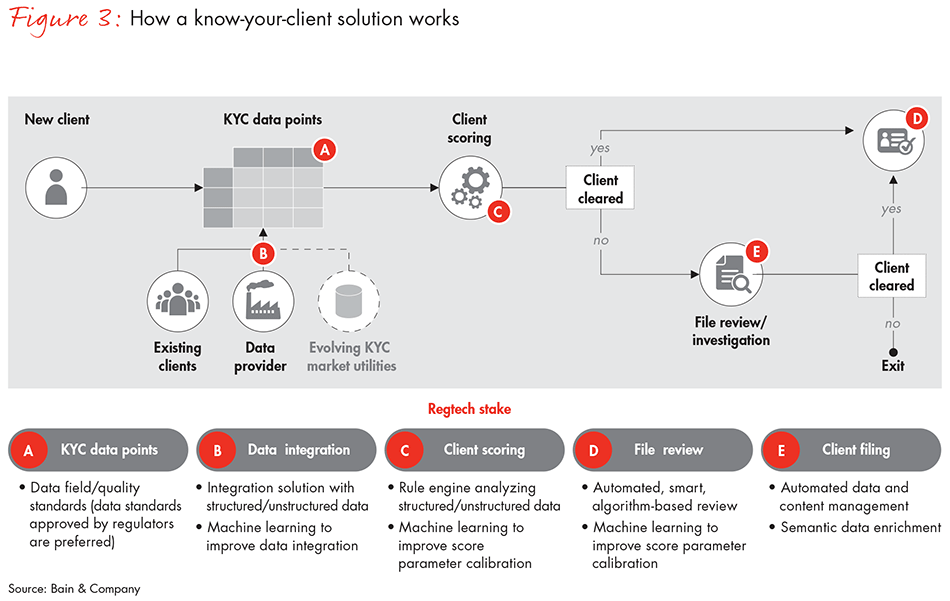
One key area where smart RegTech shines is in anti-money laundering (AML) and know-your-customer (KYC) compliance. AI-powered systems can analyze massive datasets of transactions and customer information to identify suspicious patterns and potential red flags far more efficiently than human analysts. This not only enhances compliance but also improves the accuracy of risk assessments, allowing banks to allocate resources more effectively and focus on truly high-risk activities.

Streamlining Reporting and Documentation

Regulatory reporting is another area plagued by complexity and manual processes. Smart RegTech solutions can automate the generation of reports, ensuring accuracy and consistency while significantly reducing the time and effort required. They can also help manage documentation, providing a centralized repository for all relevant regulatory information and facilitating efficient audits. This streamlines operations and reduces the risk of human error, ensuring timely and accurate submission of regulatory filings.

Data Security and Privacy in the Age of RegTech

Implementing RegTech solutions necessitates a strong focus on data security and privacy. Banks must select solutions that meet the highest security standards and comply with all relevant data protection regulations. Robust data encryption, access controls, and auditing capabilities are paramount to ensure the confidentiality and integrity of sensitive customer and financial data. Choosing a reputable vendor with a proven track record in data security is crucial for maintaining customer trust and avoiding potential breaches.

Integrating RegTech into Existing Infrastructure

Successful RegTech implementation requires careful planning and integration with existing banking systems. This involves assessing current infrastructure, identifying areas where RegTech can provide the greatest value, and developing a phased implementation

Negative Interest Rates What Does It Mean For You?

What are Negative Interest Rates?

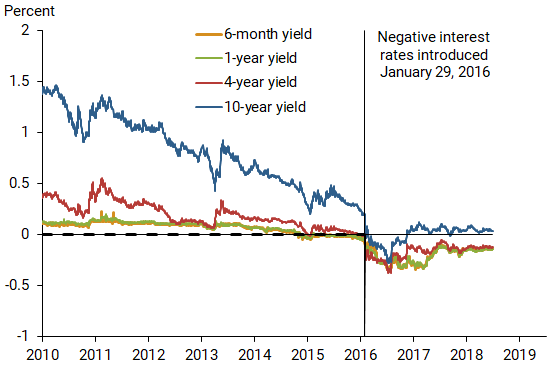
Imagine depositing your money in a bank, not earning interest, but actually paying the bank to hold your money. That’s the essence of negative interest rates. It’s a monetary policy tool used by central banks, where the interest rate on commercial banks’ reserves held at the central bank falls below zero. This means banks are charged for holding excess cash instead of earning interest on it. It might sound strange, but it’s a real phenomenon that has been employed by several countries around the world.

How Do Negative Interest Rates Work?

Central banks typically set a target for the interest rate. When this rate goes negative, banks are incentivized to lend out more money rather than keeping it in their central bank accounts. This injection of money into the economy is intended to stimulate borrowing and investment, boosting economic activity. The idea is that increased lending leads to more spending, ultimately creating jobs and reducing inflation.

Why Do Central Banks Use Negative Interest Rates?

Negative interest rates are typically implemented during periods of economic stagnation or deflation. When traditional monetary policy tools, like lowering interest rates to zero, are insufficient to stimulate the economy, central banks might resort to negative rates as a last resort. The goal is to push down borrowing costs to extremely low levels, thereby encouraging businesses and individuals to borrow and invest more, hoping to jumpstart economic growth.

What Does It Mean for Banks?

For banks, negative interest rates can be a double-edged sword. While they encourage lending, they also reduce their profit margins. Banks might be forced to charge customers less for loans or even consider charging customers for holding deposits, especially larger sums. This can lead to a squeeze on banking profits, potentially impacting their lending capacity in the long run and potentially leading to changes in the services offered to clients.

What Does It Mean for Savers?

Negative interest rates directly impact savers. While it’s uncommon for individuals to experience negative rates on their savings accounts directly (many banks avoid passing this cost onto consumers), it can still indirectly impact returns. Banks may cut savings rates to very low levels, even zero, meaning your savings won’t grow significantly or even lose purchasing power due to inflation. In some cases, banks might charge fees for holding large sums of money, effectively making you pay to save.

What Does It Mean for Borrowers?

Borrowers, on the other hand, are likely to benefit from negative interest rates in the short term. Lower interest rates translate to cheaper loans for mortgages, car loans, and business investments. This can boost consumer spending and encourage businesses to expand, creating economic activity. However, prolonged periods of low interest rates can lead to asset bubbles and increased risk-taking by borrowers.

Are Negative Interest Rates Effective?

The effectiveness of negative interest rates is a subject of ongoing debate among economists. While some argue that they have successfully stimulated economic activity in certain countries, others point to their

Televet Pet Care From the Comfort of Home

The Convenience of Televet: Pet Care Reimagined

Gone are the days of frantic dashes to the vet’s office for every sniffle or limp. Televet is revolutionizing pet care, bringing the expertise of veterinary professionals directly into your home. This convenient and often cost-effective approach offers a range of services, from routine check-ups to managing chronic conditions, all from the comfort of your couch.

How Televet Works: A Seamless Virtual Experience

Utilizing video conferencing technology, Televet connects you with licensed veterinarians and veterinary technicians. Before your appointment, you’ll likely be asked to provide some basic information about your pet, including their history, current symptoms, and any relevant photos or videos. During the consultation, the vet will visually assess your pet, ask questions, and offer guidance based on your description and the visual information provided. The entire process is typically very straightforward and user-friendly.

What Conditions are Suitable for Televet?

Televet isn’t a replacement for in-person veterinary care in all situations. However, it’s incredibly useful for a wide range of issues. Routine check-ups for healthy pets, follow-up appointments after surgery or illness, managing chronic conditions like allergies or arthritis, behavioral consultations, and advice on medication administration are all well-suited for Televet. Simple skin issues, minor injuries, and questions about dietary needs can also often be addressed effectively.

When to Seek In-Person Veterinary Care

While Televet offers a wealth of convenience, it’s crucial to understand its limitations. Emergencies, such as severe injuries, difficulty breathing, seizures, or sudden collapses, always require immediate in-person veterinary attention. Similarly, situations requiring physical examination, such as diagnosing complex illnesses or performing procedures, necessitate a visit to a traditional veterinary clinic. Your Televet provider will always be able to advise you on whether an in-person visit is necessary.

The Benefits of Televet: Beyond Convenience

Beyond the obvious convenience, Televet offers several significant advantages. Reduced travel time and costs are major benefits, particularly for pet owners with busy schedules or limited mobility. It can also reduce stress for both pets and owners, as the familiar environment of home can be much less anxiety-inducing than a bustling veterinary clinic. For pets with specific anxieties, the comfort of home can make a huge difference.

Choosing a Reputable Televet Provider: Ensuring Quality Care

As with any healthcare provider, choosing a reputable Televet service is paramount. Look for providers with licensed veterinarians on staff, positive online reviews, and clear descriptions of their services and fees. Check if they offer secure communication channels to protect your pet’s medical information. Don’t hesitate to ask questions about their experience and qualifications before scheduling an appointment. Many services offer free consultations or introductory offers, allowing you to explore their services risk-free.

Televet and Your Pet’s Ongoing Healthcare: A Collaborative Approach

Televet is not a standalone solution but rather a valuable tool in your pet’s ongoing healthcare. It can significantly enhance communication with your regular veterinarian, providing a more comprehensive and collaborative approach to pet care. Regular check-ups through Televet, coupled with occasional in-person visits when necessary, can ensure

Unlock Insights The Power of Data-as-a-Service

What is Data-as-a-Service (DaaS)?

Data-as-a-Service, or DaaS, is a rapidly growing business model where data is provided as a service, much like electricity or water. Instead of companies hoarding vast amounts of data internally, they can access and utilize data from external sources through APIs or other interfaces. This allows businesses to leverage the power of data without the need for significant upfront investments in infrastructure, data storage, or data science expertise. Think of it as renting data instead of buying and maintaining a whole data center.

Unlocking Hidden Value with External Data

One of the most compelling benefits of DaaS is access to external data sets that complement a company’s internal data. Imagine a retail company using its own sales data but also having access to weather patterns, social media sentiment, and competitor pricing information through DaaS providers. Combining these diverse data sources creates a much richer, more nuanced picture of the market, leading to better business decisions and more effective strategies. This external perspective often unveils trends and insights that internal data alone cannot reveal.

Improved Decision-Making through Enhanced Data Analysis

DaaS significantly boosts the quality of data analysis. By providing access to larger, more diverse datasets, DaaS empowers companies to perform more sophisticated analyses. This translates into better forecasting, more accurate market segmentation, and improved risk management. The ability to analyze external data, combined with internal data, leads to more informed decisions across all areas of the business, from marketing and sales to product development and operations.

Streamlining Operations and Reducing Costs

Traditional data management involves substantial investment in infrastructure, personnel, and software. DaaS significantly reduces this burden. Companies don’t need to purchase and maintain expensive hardware, employ a large data science team, or invest in complex data warehousing solutions. Instead, they pay for access to the data and the necessary analytical tools as needed, streamlining operations and freeing up resources for other strategic initiatives. This cost-effectiveness makes DaaS an attractive option for businesses of all sizes.

Boosting Innovation and Competitive Advantage

The ability to access and analyze diverse external data sets can be a major catalyst for innovation. By identifying emerging trends and unmet needs, businesses can develop new products and services that are more likely to succeed in the market. This proactive approach to innovation, fueled by readily available data, provides a significant competitive advantage, enabling companies to stay ahead of the curve and adapt to changing market dynamics quickly.

Addressing Data Security and Privacy Concerns

Naturally, security and privacy are significant concerns when using external data. Reputable DaaS providers prioritize data security and compliance with regulations like GDPR and CCPA. They implement robust security measures to protect sensitive data, ensuring compliance with privacy standards. It’s crucial to choose providers with a strong track record in data security and transparency in their data handling practices. Thorough due diligence is essential before engaging with any DaaS provider.

The Future of DaaS: Increased Integration and Specialization

The future of DaaS looks bright. We can expect to see

Interest Rates Rise What It Means for You

Understanding the Basics of Interest Rates

Interest rates are essentially the cost of borrowing money. When you take out a loan, whether it’s for a mortgage, a car, or a credit card, you pay interest on the amount you borrow. This interest is a percentage of the principal (the original loan amount) and is calculated over a specific period. Similarly, when you save money in an interest-bearing account, the bank pays you interest as a reward for lending them your money. These rates are influenced by various economic factors, including inflation, government policy, and overall economic growth.

How Interest Rate Hikes Affect Borrowers

When interest rates rise, borrowing money becomes more expensive. This means that the monthly payments on loans will increase. For example, if you’re considering buying a house and interest rates jump, your mortgage payments will be significantly higher, potentially making the house unaffordable. Existing borrowers with variable-rate loans (like some mortgages and credit cards) will feel the impact immediately, as their monthly payments adjust with the changing interest rate. Those with fixed-rate loans will be unaffected until their loan term ends and they refinance.

The Impact on Savers

While rising interest rates are bad news for borrowers, they can be good news for savers. Higher interest rates mean that savings accounts, certificates of deposit (CDs), and other interest-bearing accounts will earn a higher return. This allows your savings to grow faster, potentially offsetting some of the increased costs of borrowing.

The Influence on Investment Strategies

Rising interest rates often impact investment strategies. Bonds, which are considered less risky than stocks, become more attractive when interest rates rise, as they offer higher yields. Conversely, rising rates can sometimes negatively affect the stock market, as higher borrowing costs can slow down business growth and reduce company profits. This makes it crucial to carefully review and potentially adjust your investment portfolio to navigate the changing economic landscape.

Navigating Rising Interest Rates: Practical Tips for Consumers

Facing rising interest rates requires proactive financial planning. Review your budget to identify areas where you can cut back on spending. Consider consolidating high-interest debt to lower your overall monthly payments. If you’re planning a significant purchase like a car or a house, carefully assess the impact of higher interest rates on your affordability. Explore different loan options and compare interest rates before committing to a loan. Don’t hesitate to speak with a financial advisor who can provide personalized guidance on how to manage your finances during this period.

The Ripple Effect on the Economy

Interest rate hikes are often implemented by central banks as a tool to control inflation. By making borrowing more expensive, they aim to slow down economic growth and reduce demand, thereby curbing inflation. However, this can have a ripple effect across the economy. Businesses might postpone investments due to higher borrowing costs, which can lead to slower job growth. Consumers may reduce spending, further dampening economic activity. It’s a delicate balancing act for central banks, aiming to control inflation without

Interest Rates What’s Next for Borrowers?

The Current Interest Rate Landscape

Interest rates are a key driver of the economy, influencing everything from borrowing costs for businesses and consumers to the overall pace of economic growth. Currently, we’re seeing a mixed bag. Central banks around the world have been aggressively raising rates to combat inflation, which has been stubbornly high for much of the past year. This has led to higher borrowing costs for mortgages, auto loans, and credit cards, impacting household budgets and potentially slowing down consumer spending. However, there are signs that inflation may be peaking, which could potentially lead to a shift in monetary policy in the near future.

Predicting Future Rate Hikes

Predicting future interest rate movements is a complex endeavor, even for experts. Economists pore over a variety of data points, including inflation figures, employment numbers, consumer confidence indices, and global economic trends. While some anticipate further rate hikes in the near term, others believe that the central banks may soon pause their tightening cycle, especially if inflation continues to cool. The key factor will be how effectively the rate hikes already implemented curb inflation without triggering a significant economic slowdown or recession.

Impact on Mortgages and Homebuyers

The rising interest rate environment has significantly impacted the housing market. Higher mortgage rates have made homeownership less affordable, cooling down demand and potentially leading to a correction in home prices in some areas. For prospective homebuyers, this means navigating a more challenging market with higher monthly payments. Those already locked into fixed-rate mortgages are shielded from the current increases, but those with adjustable-rate mortgages (ARMs) could see their monthly payments rise substantially depending on the terms of their loan and the future trajectory of interest rates.

The Effect on Business Loans and Investments

Businesses, too, feel the pinch of higher interest rates. The cost of borrowing money for expansion, equipment purchases, or working capital increases directly impacting profitability and investment decisions. This can lead to businesses delaying expansion plans, reducing hiring, or even cutting back on investments. The resulting economic slowdown could have ripple effects across the economy, potentially affecting job creation and overall economic growth.

Personal Loans and Credit Card Debt

Consumers are also feeling the impact of higher rates on their personal finances. Credit card interest rates are directly tied to the federal funds rate, meaning that increases in the federal funds rate often translate into higher interest charges on outstanding credit card balances. This can make it more difficult for individuals to manage their debt, potentially leading to financial stress and impacting their ability to save and invest. Similarly, personal loans and other forms of consumer credit have become more expensive, making it harder for people to afford major purchases or consolidate debt.

Strategies for Borrowers to Navigate Higher Rates

In this environment, borrowers need to be strategic and proactive. This includes carefully evaluating their borrowing needs, comparing rates from different lenders, and prioritizing debt repayment. Those with high-interest debt should consider refinancing to lower their monthly payments, while