Interest Rates Rise Impact on Your Wallet

Understanding the Basics of Interest Rate Hikes

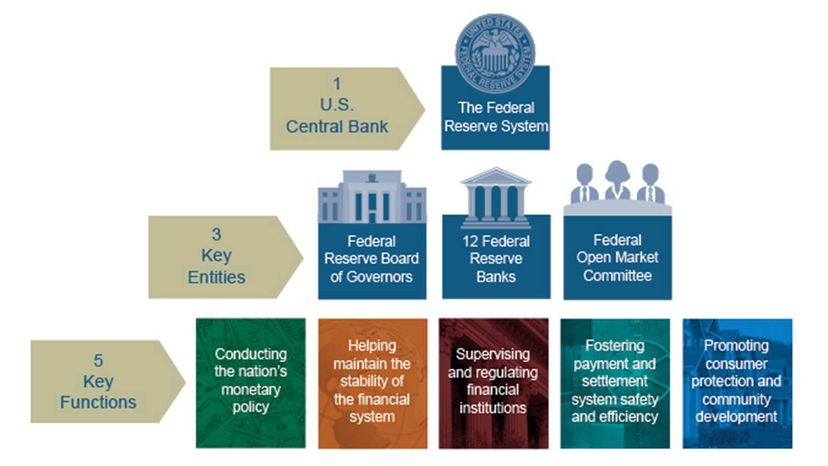
When the central bank, like the Federal Reserve in the US, decides to raise interest rates, it’s essentially making borrowing money more expensive. This impacts everything from mortgages and car loans to credit card debt and business loans. Think of it like the price of money going up. Higher rates mean lenders charge more for the privilege of lending you their money, and conversely, you earn more if you’re saving money.

The Impact on Your Mortgage

If you have a variable-rate mortgage, you’ll feel the pinch immediately. Your monthly payments will increase directly reflecting the rise in interest rates. Even with a fixed-rate mortgage, refinancing in the future will be more expensive if rates remain high or increase further. Those planning to buy a home will likely face higher mortgage payments, potentially making their dream home less affordable. This could lead to a slower housing market as fewer people can afford to enter.

Credit Card Debt: A Costly Climb

Credit card interest rates are usually variable, meaning they’re directly influenced by the overall interest rate environment. A rate hike will increase your monthly minimum payment and the total amount you end up paying over the life of the debt. If you’re already carrying a balance, managing your credit card debt becomes even more crucial. Consider strategies like paying more than the minimum payment to minimize the long-term costs.

Auto Loans and Other Personal Loans

Similar to credit cards, auto loans and other personal loans often have variable interest rates. This means a higher interest rate translates directly to higher monthly payments. For those looking to purchase a car or take out a personal loan, securing financing becomes more expensive. This can impact spending habits, as consumers may postpone big purchases or opt for smaller loans.

Savings Accounts: A Silver Lining?

While rising interest rates make borrowing pricier, they also offer a beneficial side effect for savers. Banks and other financial institutions will typically increase the interest rates on savings accounts and certificates of deposit (CDs). This means your savings will earn a higher return, helping your money grow faster. However, it’s important to remember that the increase in interest earned on savings might not always fully offset the increased costs of borrowing.

Impact on Businesses and Investments

Interest rate hikes influence businesses significantly. They face higher borrowing costs for expansion, equipment purchases, and operational expenses. This can lead to reduced investment and slower economic growth. For investors, rising rates generally mean lower valuations for bonds and stocks. While it can sometimes create opportunities for savvy investors, it also creates a more volatile and riskier market environment.

Inflation and the Federal Reserve’s Role

The primary reason central banks raise interest rates is to combat inflation. High inflation erodes the purchasing power of your money, making goods and services more expensive. By increasing interest rates, the central bank aims to cool down the economy, reducing demand and ultimately bringing inflation down. This is a delicate


Helping Kids Heal New Inpatient Mental Health Care

Understanding the Unique Needs of Young Inpatients

Adolescents and children facing mental health crises require specialized care that differs significantly from adult treatment. Their developing brains, emotional regulation skills, and social contexts all play crucial roles in their recovery. A successful inpatient program understands this and adapts its approach accordingly, offering age-appropriate therapies and a supportive environment that fosters healing and growth. This includes considering developmental stages, peer relationships, and the impact on family dynamics.

Creating a Safe and Supportive Environment

The inpatient setting itself is a key factor in a child’s healing journey. A safe, calm, and predictable environment is paramount. This goes beyond physical safety; it includes establishing clear routines, providing consistent staff, and minimizing stressors. Therapeutic activities, designed to build self-esteem and coping mechanisms, should be integrated into the daily schedule. The overall atmosphere should promote a sense of belonging and reduce feelings of isolation or shame often associated with mental health challenges.

Individualized Treatment Plans: Tailoring Care to the Child

No two children are alike, and their mental health needs vary greatly. Effective inpatient care relies heavily on individualized treatment plans. These plans should be developed collaboratively, involving the child, their family, and a multidisciplinary team of professionals, including psychiatrists, therapists, nurses, and social workers. Assessments should consider the child’s specific diagnosis, symptoms, strengths, and personal goals. This personalized approach ensures that the treatment addresses the root causes of their distress and empowers them to take an active role in their recovery.

Therapeutic Interventions: A Variety of Approaches

Inpatient programs for children often incorporate a range of therapeutic interventions, combining evidence-based practices to address the individual needs of each patient. These might include cognitive behavioral therapy (CBT) to help change negative thought patterns, dialectical behavior therapy (DBT) to develop emotional regulation skills, family therapy to improve communication and support within the family unit, and art or play therapy to provide alternative means of expression and processing emotions. Medication management is often a crucial component, carefully monitored and adjusted based on the child’s response.

The Role of Family and Support Systems

Families are integral to a child’s recovery. Inpatient programs that effectively engage families are more likely to see positive outcomes. This involvement may include family therapy sessions, education about the child’s condition and treatment, and support groups for parents and siblings. Open communication and collaboration between clinicians and family members ensure consistency between the inpatient environment and the home setting, facilitating a smoother transition back to daily life. A strong support system beyond the immediate family, such as mentors or peers, can also contribute to long-term success.

Preparing for Discharge and Aftercare Planning

Discharge planning is a critical aspect of inpatient care. This process should begin early in the treatment, outlining a step-by-step plan for a safe and successful transition back to the community. This involves developing a clear aftercare plan, potentially including ongoing therapy, medication management, and participation in support groups. It’s vital to establish a strong connection with outpatient providers before discharge to ensure

Transmedia Storytelling The Future of Narrative

What is Transmedia Storytelling?

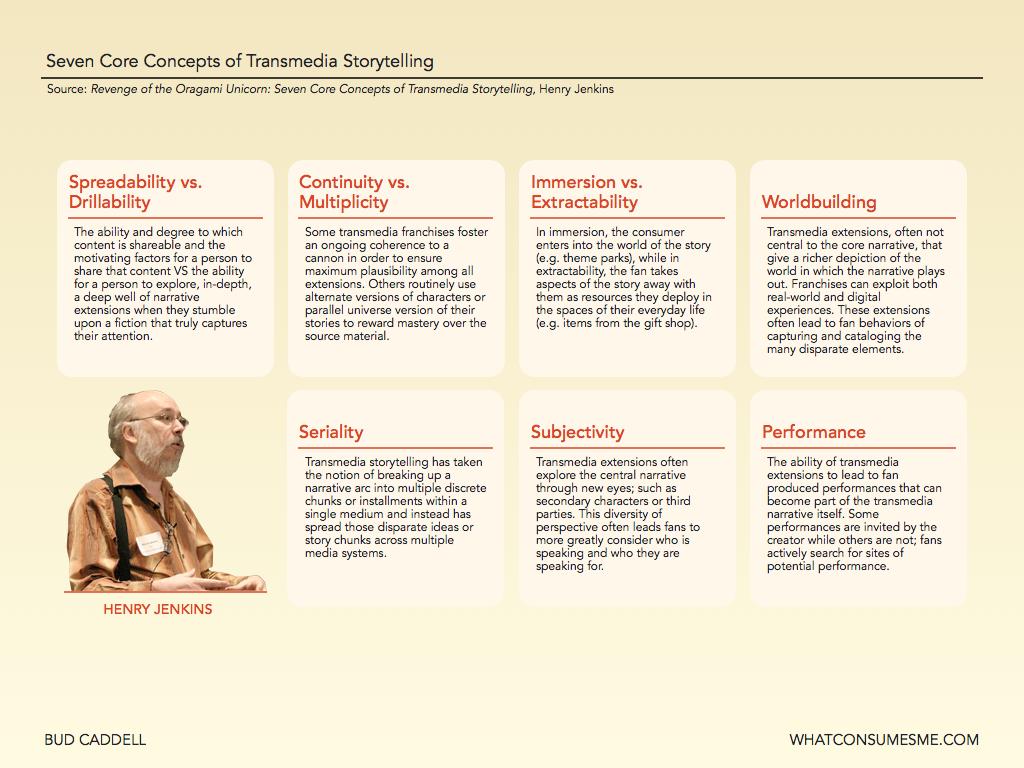
Transmedia storytelling isn’t just about telling a story across multiple platforms; it’s about crafting a narrative experience that unfolds uniquely within each medium. Think of it as a single, overarching story that branches out, allowing audiences to engage with different facets, characters, and plotlines depending on their preferred method of consumption. It’s less about simply repurposing the same content and more about designing a story that organically flourishes within each chosen platform’s strengths – whether that’s the immersive world-building of a video game, the emotional resonance of a film, or the immediacy of a social media campaign.

Beyond Simple Multi-Platform Storytelling

It’s crucial to differentiate transmedia from simply spreading a story across different platforms. A film released on streaming services and later adapted into a novel is multi-platform, but not necessarily transmedia. True transmedia storytelling necessitates that each platform contributes something unique and essential to the overall narrative. Each piece should offer a different perspective, enrich the understanding of the world, or add depth to the characters – making the whole experience greater than the sum of its parts. Simply repeating the same plot across different mediums dilutes the story and fails to leverage the unique capabilities of each platform.

The Power of Immersive Engagement

The beauty of transmedia lies in its ability to fully immerse the audience. By engaging with the story across multiple platforms, they become active participants, shaping their understanding of the narrative and developing a deeper connection with its characters and themes. Imagine a mystery where clues are hidden within a video game, augmented reality experiences unlock secret locations, and social media posts from characters reveal crucial information. This level of interactive engagement fosters a sense of ownership and investment that traditional storytelling struggles to achieve.

Expanding the Narrative Universe

Transmedia storytelling provides immense opportunities to expand the narrative universe. Details that would be glossed over in a film can become richly explored side stories in a novel, or a video game can showcase the world’s history and lore in a way a film simply cannot. This expands the story’s lifespan and allows for a richer, more complex understanding of the fictional world it inhabits. Fans are free to explore the details that fascinate them most, deepening their appreciation for the overall story.

The Role of Audience Participation

Unlike traditional storytelling where the audience is passive, transmedia actively encourages audience participation. Fans can contribute to the narrative by creating fan fiction, artwork, or even influencing the direction of the story through interactive elements within the chosen platforms. This creates a sense of community and empowers fans to become invested stakeholders in the story’s unfolding, fostering a deeper engagement with the world and characters.

Challenges and Considerations

Despite its potential, transmedia storytelling also presents challenges. Coordinating multiple platforms, creative teams, and release schedules demands meticulous planning and collaboration. Maintaining consistency in tone, style, and characterization across different mediums is crucial to avoid confusion and maintain narrative integrity. Finding the right balance between guiding

The Future is Engineered Synthetic Biology Today

Synthetic Biology: A Powerful Tool for the Future

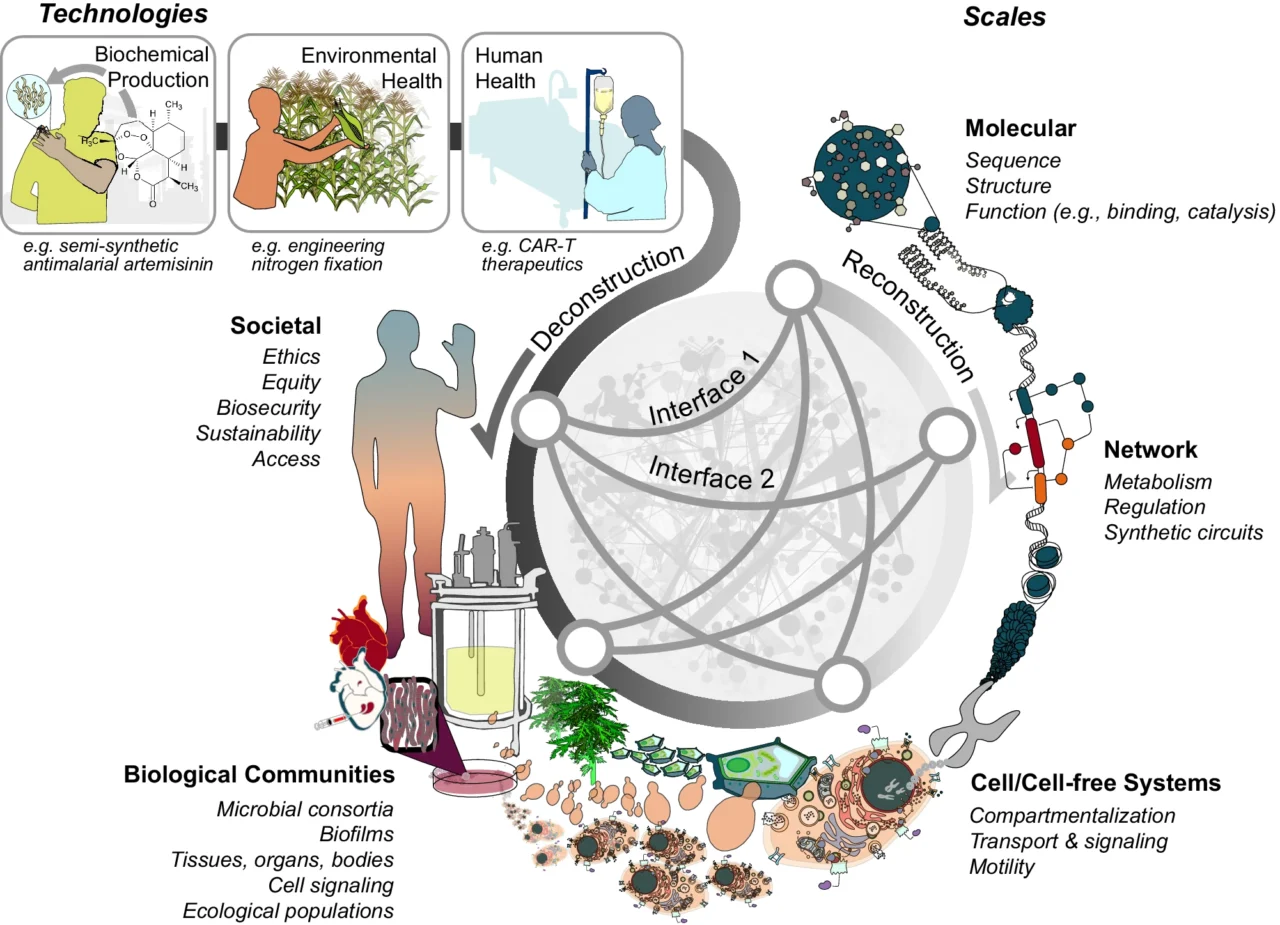
Synthetic biology, the design and construction of new biological parts, devices, and systems, is rapidly evolving, promising revolutionary advancements across various sectors. It’s no longer a futuristic concept; it’s a field already impacting our lives, with its potential only beginning to be realized. From medicine to agriculture, materials science to environmental remediation, synthetic biology is poised to reshape our world in profound ways.

Engineering Life: Designing Biological Systems

At its core, synthetic biology involves manipulating existing biological components or creating entirely new ones to perform specific tasks. This might involve tweaking the genetic code of an organism to produce a valuable compound, designing novel metabolic pathways for enhanced efficiency, or constructing entirely artificial cells with predetermined functions. This level of precise control over biological systems offers unprecedented opportunities for innovation.

Revolutionizing Healthcare: Novel Therapies and Diagnostics

The healthcare sector stands to benefit enormously from the advances in synthetic biology. Engineered microbes can be used to deliver targeted therapies directly to cancerous tumors, reducing side effects compared to traditional treatments. Synthetic biology is also paving the way for the creation of bio-artificial organs and tissues, offering solutions for organ shortages and reducing the reliance on organ donors. Moreover, faster and more accurate diagnostic tools are being developed using engineered biological systems.

Sustainable Agriculture: Boosting Yields and Reducing Reliance on Chemicals

Feeding a growing global population sustainably is a significant challenge. Synthetic biology offers a potential solution by engineering crops resistant to pests, diseases, and harsh environmental conditions. This leads to higher crop yields, reduced reliance on pesticides and herbicides, and enhanced nutritional value in food products. Furthermore, synthetic biology is enabling the development of more efficient nitrogen-fixing microorganisms, minimizing the need for synthetic nitrogen fertilizers, which are environmentally damaging.

Biomanufacturing: A Greener Approach to Production

Traditional manufacturing processes often rely on energy-intensive and polluting methods. Synthetic biology offers a more sustainable alternative through biomanufacturing. Engineered microorganisms can be programmed to produce a vast array of chemicals, materials, and fuels, using renewable resources and generating less waste. This approach is particularly promising for producing biofuels, bioplastics, and other environmentally friendly materials.

Environmental Remediation: Cleaning Up Our Planet

Synthetic biology provides innovative solutions for environmental cleanup. Engineered microorganisms can be employed to degrade pollutants in soil and water, effectively remediating contaminated sites. These microbes can be designed to break down plastics, oil spills, and other harmful substances, contributing to a cleaner and healthier environment. This approach offers a sustainable and cost-effective way to address some of the pressing environmental challenges we face.

Ethical Considerations and Responsible Development

Despite its immense potential, the advancement of synthetic biology raises important ethical concerns. The responsible development and application of this powerful technology require careful consideration of potential risks and the establishment of robust regulatory frameworks. Open dialogue and collaboration among scientists, policymakers, and the public are essential to ensure the ethical and beneficial use of synthetic biology for the betterment of humanity.

The Future is Now: Embracing the

Pickleball’s 2025 Boom A Nation’s New Favorite

The Unexpected Rise of Pickleball

Forget yoga, cycling, or even CrossFit; the hottest new fitness craze sweeping the nation isn’t some high-intensity workout. It’s pickleball, a deceptively simple paddle sport that’s quietly exploded in popularity, showing no signs of slowing down. Its blend of easy-to-learn mechanics, social camaraderie, and surprisingly intense gameplay has captivated millions, transforming parks, community centers, and even backyards into vibrant pickleball courts.

A Sport for All Ages and Abilities

One of the key factors contributing to pickleball’s meteoric rise is its accessibility. Unlike tennis, which requires a significant level of athleticism and years of training, pickleball is relatively easy to pick up. The smaller court, underhand serve, and slower pace make it suitable for players of all ages and fitness levels. Grandparents can enjoy a friendly game with their grandchildren, and seasoned athletes find a challenging, strategic depth to master. This inclusive nature has broadened the sport’s appeal exponentially.

The Social Factor: More Than Just a Game

Pickleball is more than just a workout; it’s a social experience. The friendly competition and relaxed atmosphere foster a strong sense of community among players. Regular games often evolve into social gatherings, with players sharing stories, laughter, and even post-game snacks. This social aspect is a major draw for many, particularly those seeking a fun, engaging way to connect with others.

The Economic Impact: A Booming Industry

The surge in pickleball’s popularity has created a significant economic ripple effect. The demand for equipment, from paddles and balls to court construction and apparel, has skyrocketed. New businesses are popping up to cater to this growing market, creating jobs and boosting local economies. From small paddle shops to large sporting goods retailers, the pickleball boom is proving to be a lucrative venture.

Pickleball’s Influence on Communities

The growth of pickleball isn’t confined to individual participation; it’s transforming communities. Cities and towns across the country are investing in the construction of new pickleball courts, recognizing the sport’s potential to enhance recreational opportunities and boost local tourism. Parks are being redesigned to accommodate the increased demand, further solidifying pickleball’s position as a mainstream activity.

The Future of Pickleball: A Global Phenomenon?

The future of pickleball looks incredibly bright. With its growing popularity in the US, the sport is beginning to gain traction internationally. As more people discover the unique blend of fun, fitness, and social interaction, pickleball is poised to become a truly global phenomenon. The easy-to-learn nature of the game means that it can quickly expand into new markets, further fueling its remarkable growth.

Technological Advancements in Pickleball

Technology is also playing a significant role in the sport’s expansion. The development of high-quality video analysis tools is helping players improve their technique and strategy, while online platforms connect players from different regions and organize tournaments. Smart paddles and court-side sensors are already being developed, promising even more innovative ways to enhance the pickleball experience.

Addressing Challenges and Ensuring Sustainability

Despite its success, pickleball faces certain challenges. The demand for court space, especially

Data-as-a-Service Revolutionizing Banking

The Rise of Data-Driven Banking

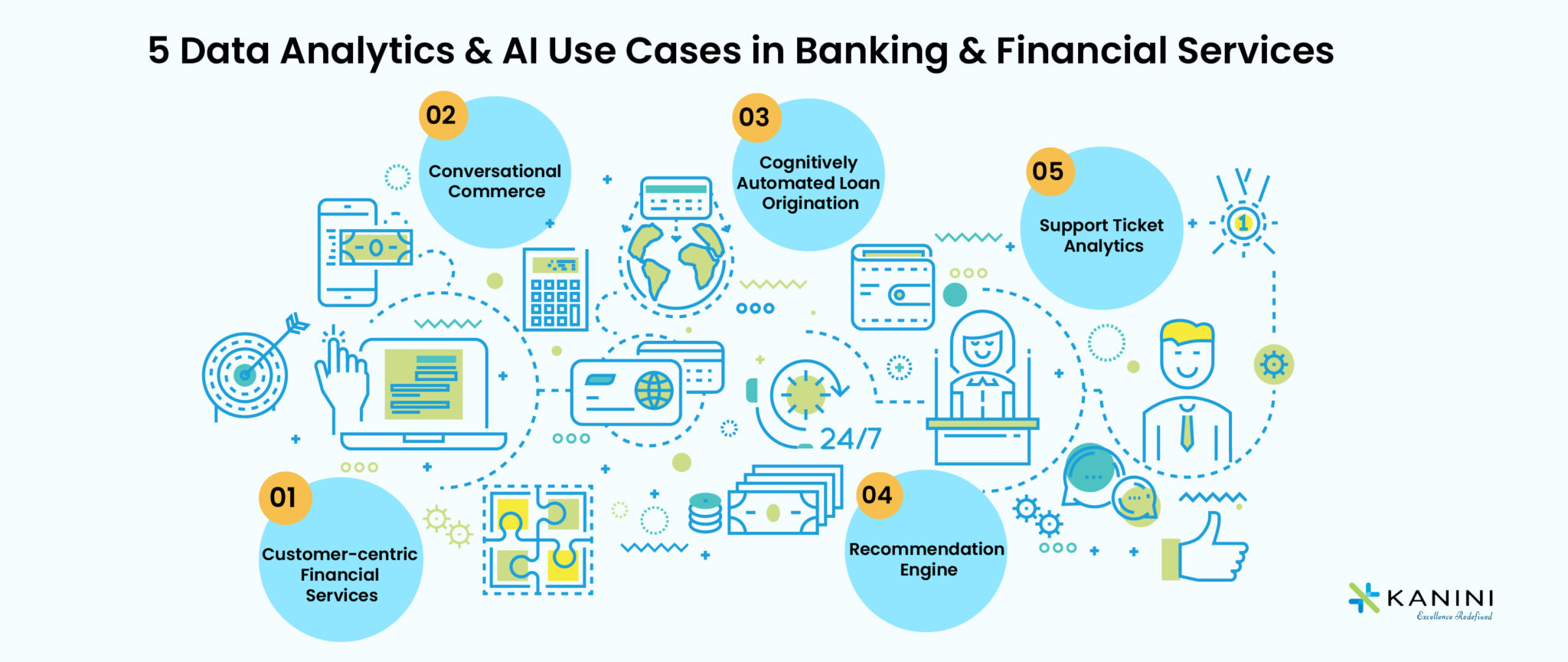
The banking industry is undergoing a dramatic transformation, fueled by the rapid advancements in data analytics and the emergence of Data-as-a-Service (DaaS). Traditionally reliant on internal data silos and manual processes, banks are now embracing DaaS to unlock the power of external data sources, driving efficiency, improving customer experiences, and gaining a competitive edge. This shift towards a data-driven approach is revolutionizing everything from risk management to personalized financial advice.

Enhanced Risk Assessment and Fraud Detection

One of the most significant applications of DaaS in banking is in the area of risk management and fraud detection. By integrating external data sources like credit scores, transactional history, and social media activity, banks can create more comprehensive risk profiles for their customers. This allows for more accurate assessment of creditworthiness, leading to better loan approvals and reduced defaults. Moreover, the ability to analyze vast amounts of data in real-time enables faster identification and prevention of fraudulent activities, protecting both the bank and its customers.

Personalized Customer Experiences Through DaaS

The modern customer expects personalized service, and DaaS provides the tools to deliver it. By leveraging customer data from various sources, banks can create tailored financial products and services that meet individual needs and preferences. This might involve offering personalized investment advice, recommending relevant financial products, or providing proactive support based on individual spending habits. This level of personalization fosters stronger customer relationships and boosts loyalty.

Streamlining Operations and Reducing Costs

DaaS contributes significantly to streamlining banking operations and reducing costs. By automating data-intensive processes, such as KYC (Know Your Customer) checks and regulatory compliance, banks can free up internal resources and improve operational efficiency. This automation also minimizes human error and improves the accuracy of various processes, resulting in significant cost savings in the long run. Furthermore, access to external data can assist in identifying areas for process improvement and optimization.

Improved Customer Onboarding and Service Delivery

The customer onboarding process can be significantly improved through the integration of DaaS. By accessing external data, banks can automate verification processes, reducing the time and paperwork required for new customers to open accounts. This streamlined process enhances the overall customer experience, making the onboarding smoother and more efficient. Similarly, customer service can be improved through the use of data-driven insights to anticipate customer needs and resolve issues proactively.

Data Security and Privacy Concerns

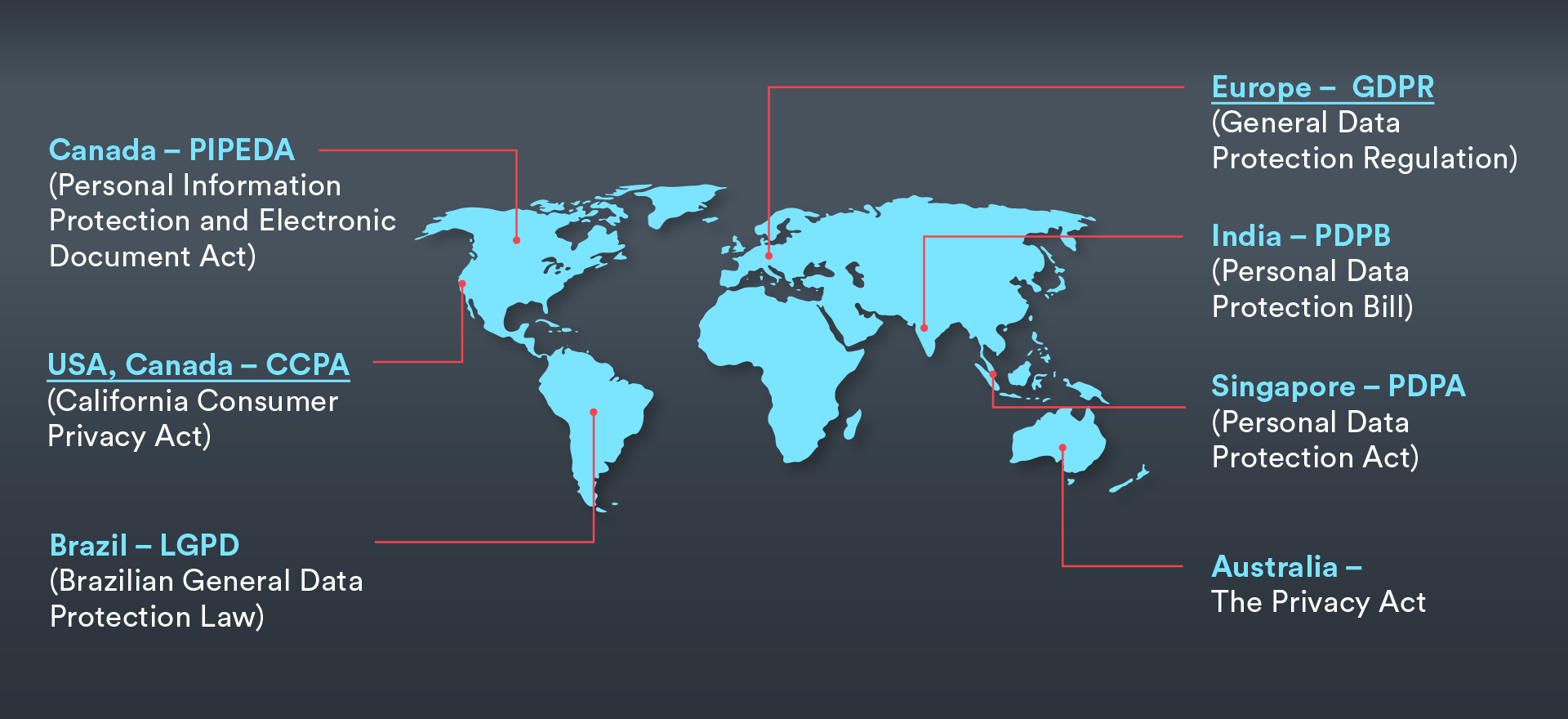
While the benefits of DaaS are substantial, it’s crucial to address the associated security and privacy concerns. Banks must ensure that the data they access and utilize is handled responsibly and in accordance with relevant regulations. Robust data security measures, including encryption and access control, are essential to protect sensitive customer information. Transparency about data usage and adherence to privacy regulations are crucial for maintaining customer trust and building a strong reputation.

The Future of DaaS in Banking

The future of banking is undeniably intertwined with the evolution of DaaS. As technology continues to advance and new data sources become available, the potential applications of DaaS

Pickleball’s Global Rise A New Sporting Craze

The Humble Beginnings of a Global Phenomenon

Pickleball, a sport often described as a quirky blend of tennis, badminton, and ping-pong, has exploded onto the global sporting scene. Its origins trace back to 1965 on Bainbridge Island, Washington, where a group of families sought a fun, low-impact activity to enjoy during summer vacations. What began as a backyard pastime using repurposed badminton equipment has now captured the attention of millions worldwide, transcending age, background, and athletic ability.

Easy to Learn, Difficult to Master: Pickleball’s Accessibility

One of the key factors driving Pickleball’s popularity is its inherent accessibility. The smaller court size, underhand serve, and slower pace make it a game that people of all ages and fitness levels can pick up relatively quickly. This low barrier to entry is particularly appealing to seniors, who find it a less physically demanding alternative to tennis or racquetball, while also attracting younger players who appreciate its social and competitive aspects. The simplicity of the rules also contributes to its wide appeal, allowing players to focus on enjoying the game rather than getting bogged down in complex regulations.

The Social Aspect: More Than Just a Game

Beyond the physical activity, Pickleball fosters a strong sense of community. The social interaction inherent in the game has proven to be a significant draw. Players often form friendships with fellow enthusiasts, and the casual, friendly atmosphere of many pickleball courts contributes to the sport’s welcoming nature. This social element is particularly attractive to those seeking a recreational activity that combines exercise with social engagement, leading to a loyal and expanding player base.

A Global Expansion: From Local Courts to International Competitions

Pickleball’s rise isn’t confined to North America. The sport is gaining traction in countries across Europe, Asia, and Australia. While the US remains the undisputed powerhouse of pickleball, organizations and leagues are popping up worldwide, creating opportunities for international competition and fostering a global pickleball community. This international growth demonstrates the sport’s versatility and appeal across diverse cultures and demographics, solidifying its position as a truly global phenomenon.

The Economic Impact: A Booming Industry

Pickleball’s phenomenal growth has sparked a significant economic impact. The demand for equipment, including paddles, balls, and apparel, has fueled a booming industry. Construction of new courts and the renovation of existing facilities are also contributing to economic activity, particularly in communities where the sport is flourishing. Tournaments and leagues generate revenue, and the overall economic impact of pickleball continues to grow exponentially.

Health Benefits: A Low-Impact, High-Reward Activity

The low-impact nature of pickleball makes it a suitable activity for people looking to maintain or improve their physical health. It provides a good cardiovascular workout, improves hand-eye coordination, and enhances agility and flexibility. These benefits are particularly attractive to an aging population looking for enjoyable and accessible forms of exercise that minimize the risk of injuries commonly associated with high-impact sports. The social aspect further boosts mental well-being, making pickleball a holistic fitness activity.

The Future of Pickleball: Continued Growth and Evolution

Your Digital Life Protecting Your Privacy

Understanding the Digital Footprint You Leave

We live in a hyper-connected world. Every online interaction, from searching for a recipe to posting a photo, leaves a digital footprint. This footprint comprises data points about your activities, preferences, and even your location. Understanding the breadth and depth of this footprint is crucial to protecting your privacy. It’s more than just your social media posts; it includes your browsing history, online purchases, app usage, and even the metadata embedded in your photos. The more aware you are of this data trail, the better equipped you are to manage it.

Securing Your Passwords and Accounts

Strong, unique passwords are the foundation of online security. Avoid using easily guessable information like birthdays or pet names. Instead, opt for complex passwords combining uppercase and lowercase letters, numbers, and symbols. Consider using a password manager to generate and securely store these passwords. This eliminates the need to remember countless complicated combinations and helps prevent the catastrophic consequences of a single password breach impacting multiple accounts. Enable two-factor authentication (2FA) wherever possible; this adds an extra layer of security, requiring a second verification method beyond your password, such as a code sent to your phone.

The Importance of Privacy Settings on Social Media

Social media platforms are data goldmines. Review and adjust your privacy settings regularly. Limit the visibility of your posts, photos, and information to friends and family, or even a more select group of trusted contacts. Be cautious about sharing personal information, such as your address, phone number, or workplace, directly on your profile. Think critically before accepting friend requests from strangers, and be wary of public posts that could be used to piece together more information about you. Remember that even seemingly innocuous information can be exploited to target you.

Safeguarding Your Data on Mobile Devices

Smartphones and tablets are personal data repositories. Install strong passcodes or use biometric authentication (fingerprint or facial recognition) to protect your device. Regularly update your operating system and apps to patch security vulnerabilities. Be selective about which apps you download, avoiding those from untrusted sources. Pay close attention to app permissions, granting only the access necessary for the app to function correctly. Consider using a virtual private network (VPN) when using public Wi-Fi to encrypt your internet traffic and protect your data from interception.

Protecting Your Online Shopping Privacy

Online shopping offers incredible convenience, but it also comes with privacy risks. Only shop on secure websites (look for “https” in the URL). Be cautious about entering your credit card information on unfamiliar sites. Use strong passwords and consider using a virtual credit card or prepaid card for online purchases to limit your liability in case of a breach. Regularly review your bank and credit card statements to detect any unauthorized transactions. Understand your rights under data protection laws and know how to report suspicious activity.

Being Mindful of Online Tracking and Cookies

Websites and advertisers use cookies and other tracking technologies to collect data about your browsing habits.

Kids’ Mental Health Inpatient Care Near You

Understanding the Need for Inpatient Care

Sometimes, the challenges young people face with their mental health become overwhelming, requiring more intensive support than outpatient therapy can provide. Inpatient care offers a structured, safe environment where children and adolescents can receive around-the-clock medical and therapeutic interventions. This is crucial when a young person is experiencing a significant mental health crisis, such as a severe depressive episode, suicidal ideation, self-harm behaviors, or a psychotic break. Inpatient programs provide a level of care that ensures their immediate safety and well-being while focusing on stabilizing their condition and equipping them with coping skills for the future.

Finding Inpatient Facilities in Your Area

Locating appropriate inpatient mental health care for your child can feel daunting. Start by contacting your child’s pediatrician or family doctor. They can provide referrals to local specialists and facilities, often based on your insurance coverage and the specific needs of your child. Additionally, you can search online directories of mental health providers, specifying “children’s inpatient mental health services” and your location. Remember to check reviews and ratings when researching different facilities to gain insight into the quality of care provided. Insurance providers also typically maintain lists of in-network facilities, which can assist in navigating the financial aspects of treatment.

What to Expect During Inpatient Treatment

Inpatient programs vary, but generally involve a structured daily routine encompassing therapy, medication management, and activities designed to promote healing and growth. Typical components include individual therapy sessions to address underlying issues, group therapy to foster peer support and connection, and family therapy to involve parents or guardians in the treatment process. Medications may be prescribed to manage symptoms, and regular medical monitoring is a key part of inpatient care. The daily schedule also frequently incorporates recreational activities and educational opportunities to maintain a sense of normalcy and promote overall well-being.

Types of Inpatient Programs for Kids

The specific type of inpatient program a child needs depends on their age, diagnosis, and the severity of their symptoms. Some programs specialize in treating specific conditions, such as anxiety disorders, eating disorders, or substance abuse. Others are designed to address a range of mental health concerns. There are also programs geared towards specific age groups, recognizing that the needs of a pre-teen differ considerably from those of a teenager. It’s vital to find a program that aligns with your child’s individual needs and developmental stage.

The Role of Family in Inpatient Care

Family involvement is often a crucial aspect of successful inpatient treatment. Regular family therapy sessions can help address family dynamics that may be contributing to the child’s mental health challenges. Furthermore, keeping open communication between the treatment team and the family ensures everyone is on the same page regarding the child’s progress and treatment plan. Families are often provided with education and resources to support their child’s recovery after discharge. Active participation from family members promotes a more holistic and effective approach to treatment.

Aftercare and Transitioning Back Home

Discharge from an inpatient program is not

RA’s New Software Driving the Future of Auto

RA’s Revolutionary AI-Powered Design Software

RA’s newly unveiled software, codenamed “Project Nova,” is poised to revolutionize automotive design and engineering. This sophisticated platform utilizes cutting-edge artificial intelligence to streamline the entire design process, from initial concept sketches to final production-ready blueprints. Gone are the days of painstaking manual adjustments and iterative physical prototyping; Project Nova offers a dynamic, responsive environment that allows designers to explore countless possibilities with unparalleled speed and efficiency.

Streamlining the Design Process with AI

At the heart of Project Nova lies its advanced AI engine. This intelligent system analyzes vast datasets of existing vehicle designs, market trends, and manufacturing constraints to provide designers with real-time feedback and suggestions. The AI can predict potential design flaws early on, optimize for aerodynamics and structural integrity, and even suggest material choices based on performance requirements and cost considerations. This level of automated assistance drastically reduces the time and resources needed for each design iteration, freeing up engineers and designers to focus on innovation and creativity.

Enhanced Collaboration and Real-time Feedback

Project Nova isn’t just a solo tool; it’s designed to foster seamless collaboration among design teams. The platform features integrated communication tools allowing designers, engineers, and other stakeholders to share feedback, make revisions, and track progress in real-time. This centralized environment ensures everyone is on the same page, minimizing miscommunications and accelerating the development cycle. The real-time feedback loop provided by the AI further enhances collaboration, allowing the team to quickly address potential issues and refine the design iteratively.

Simulations and Prototyping in the Digital Realm

One of the most impressive aspects of Project Nova is its ability to conduct highly realistic simulations. The software can model a vehicle’s performance under various conditions, including crash tests, aerodynamic simulations, and even simulations of real-world driving scenarios. This significantly reduces the need for physical prototypes, saving both time and money. The results of these simulations are immediately integrated into the design, enabling designers to make informed decisions based on verifiable data.

Sustainable Design and Manufacturing Optimization

Sustainability is a key consideration in modern automotive design, and Project Nova actively supports eco-conscious practices. The AI’s ability to optimize material usage, minimize waste, and improve fuel efficiency contributes to the creation of more environmentally friendly vehicles. The software also considers the entire lifecycle of the vehicle, from manufacturing to recycling, ensuring that designs are optimized for sustainability throughout their lifespan. This focus on sustainable practices aligns with the growing industry demand for environmentally responsible automobiles.

Integrating Advanced Manufacturing Technologies

Project Nova doesn’t exist in a vacuum; it’s designed to seamlessly integrate with modern manufacturing processes. The software can generate production-ready blueprints compatible with advanced manufacturing techniques like additive manufacturing (3D printing) and robotics. This smooth transition from design to manufacturing further accelerates the development cycle and reduces the likelihood of errors during production. The software’s ability to optimize designs for specific manufacturing techniques ensures efficient and cost-effective production.

The Future of Automotive Design with RA’s Software

RA’s Project Nova isn’t just an incremental